

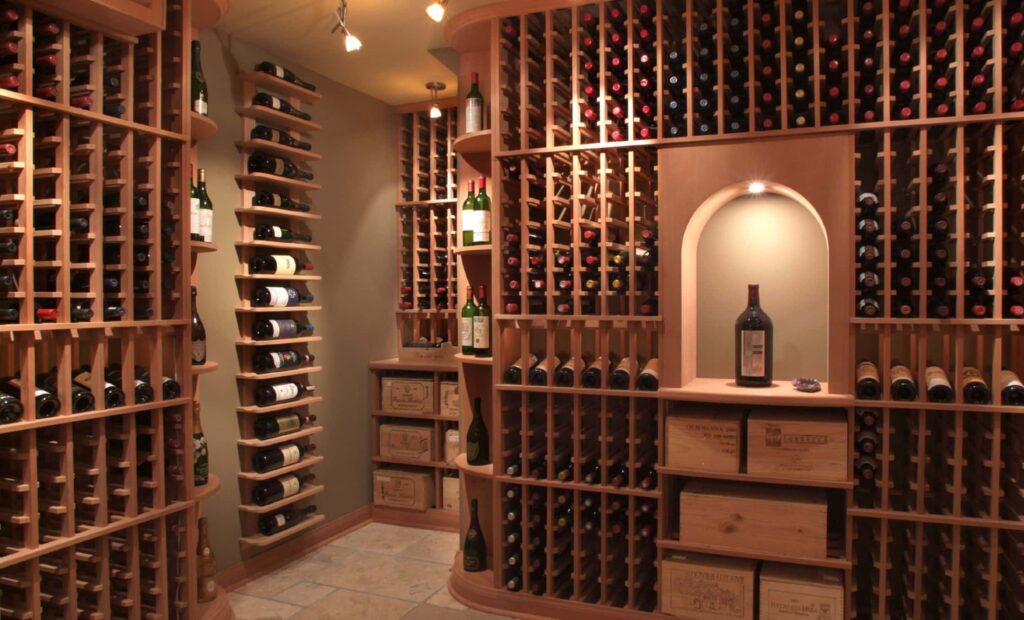
A custom wine cellar is no longer a niche indulgence reserved for serious collectors. In today’s luxury real estate market, it functions as a value-enhancing architectural asset that can influence buyer perception, time on market, and ultimately resale value when it is designed as permanent, technically correct wine storage.

Market data support this shift in buyer behavior. In a large-scale analysis of U.S. listings, Zillow found that homes mentioning “wine cellar” sold for 31% more than expected, and in the starter-home segment, 47% more than expected. This does not mean a wine cellar guarantees a 31% price increase. It means the market consistently interprets a wine cellar as a premium signal when it appears in a finished, high-quality home and is presented credibly.

For homeowners evaluating high-impact upgrades, a professionally executed wine cellar stands out because it combines wine storage performance, modern design, and expert craftsmanship into a functional space that appraisers and buyers recognize as permanent value

Increase Your Property Resale Value With A Modern Wine Cellar

Real estate appraisers assess contributory value based on three fundamentals: Permanence, utility, and market desirability. A built-in, climate-controlled wine cellar checks all three.

Unlike removable features, a custom wine cellar is integrated into the home’s structure and supported by dedicated climate control systems, insulation, and architectural finishes. This permanence allows it to be categorized alongside other luxury improvements such as spa bathrooms or chef-grade kitchens.

Homes featuring thoughtfully designed modern wine cellars consistently outperform comparable properties without them, particularly in upper-tier markets where lifestyle amenities influence purchase decisions. The result is stronger resale value, improved buyer confidence, and a more compelling listing narrative.

Attract Potential Buyers With A Luxurious Feature

Luxury buyers are not shopping for square footage alone. They are purchasing experience, confidence, and differentiation.

A custom wine cellar immediately communicates intention and sophistication. Even buyers without an established wine collection perceive the space as adaptable. It can function as a tasting lounge, a private entertaining zone, or a visual design centerpiece.

Buyer-preference data reinforces this appeal. According to NAHB data cited by Realtor.com, 31% of new-home buyers with household incomes over $150,000 named a wine cellar as their most desired amenity. This positions wine cellars alongside other top lifestyle features that influence buyer willingness to pay.

This versatility is critical. A wine cellar that balances entertainment value with practical wine storage appeals to both enthusiasts and aspirational buyers, expanding the buyer pool while reinforcing premium positioning.

How To Select The Best Location To Build Your Own Wine Cellar

Location directly impacts both functionality and resale performance. The most successful wine cellar projects begin with spatial logic rather than aesthetics.

Basements remain a popular choice due to natural insulation and stable temperatures, making them ideal for consistent wine storage. However, modern luxury homes increasingly incorporate wine rooms into visible areas using glass walls, allowing the cellar to function as an architectural feature.

Creative solutions such as basement wine cellar ideas or repurposed under-stair spaces are also gaining traction.

An under-stairs wine cellar transformation converts unused space into a high-impact feature without altering the home’s footprint.

The key is selecting a location that supports climate control requirements while enhancing visibility and accessibility during showings.

Mastering Climate Control And Humidity For Wine Bottles

No wine cellar adds value without proper climate control. Buyers and appraisers can easily distinguish between decorative wine displays and true cellaring environments.

Professional systems regulate temperature and humidity to protect the wine collection long-term. Stable conditions prevent cork degradation, label damage, and premature aging. These technical fundamentals align with the general principles of wine cellaring and reinforce the cellar’s legitimacy as a functional investment.

Homes that demonstrate adherence to ideal cellaring temperatures signal quality, foresight, and expert craftsmanship, all of which strengthen buyer confidence and reduce perceived risk.

Design A Luxurious Space Using High-Quality Materials

Material selection plays a measurable role in perceived value. High-end finishes elevate the cellar from storage room to architectural feature.

Natural wood, metal accents, glass, and stone elements are commonly used in luxury builds. When paired with refined detailing and precision installation, these choices reinforce durability and timeless appeal.

Leveraging luxury materials and finishes ensures the cellar integrates seamlessly with the home’s overall design language, whether contemporary or classic. Buyers respond to cohesion, not novelty.

Incorporate Modern Wine Glass Walls And Professional Lighting

Glass-enclosed wine rooms have become a hallmark of modern design. They allow the wine collection to function as visual art while maintaining environmental control.

Strategic lighting is equally important. Proper illumination highlights bottle labels, rack geometry, and architectural lines without introducing heat or UV exposure. Done correctly, lighting enhances both daily enjoyment and listing photography.

When buyers can see the cellar from the main living spaces, its value is reinforced continuously. Glass-enclosed wine rooms paired with professional lighting transform wine storage into a showpiece rather than a hidden amenity; showcase your collection with professional lighting.

Add A Tasting Table For Entertaining Guests

A tasting table converts a wine cellar into a functional space designed for connection and hospitality. This addition shifts perception from storage to experience.

For luxury buyers, the ability to host intimate tastings or private gatherings adds emotional value. While appraisers may not itemize the table itself, they do recognize enhanced usability and lifestyle appeal.

Integrating a tasting area strengthens the cellar’s role in entertainment, making it a destination within the home rather than a passive feature.

Technical Features That Significantly Enhance Your Property

Beyond visible design elements, technical execution is where long-term value is secured.

Custom insulation, vapor barriers, soundproofing, and integrated cooling systems ensure performance longevity. These behind-the-scenes components protect both the wine collection and the surrounding structure.

ROI discipline matters. According to the 2025 Remodeling Impact Report, common project recovery rates include 83% for closet renovations, 71% for basement conversions, and 60% for kitchen renovations. A custom wine cellar behaves like a hybrid of these categories, meaning recovery depends heavily on scope, execution quality, and market alignment.

Forward-thinking homeowners also consider scalability and adaptability, aligning with the future of custom wine storage.

Appraiser’s Lens: How Wine Cellars Are Viewed In Valuation

Appraisers do not assign value because a feature is expensive. They assign value when it is defensible.

A wine cellar contributes to appraised value when:

  • Comparable properties with similar amenities exist in the market
  • Buyers demonstrably respond to the feature
  • The cellar is permanent and functional
  • The space does not detract from core livability

In practice, wine cellars are treated as contributory amenities, similar to home theaters or custom closets. They are rarely valued dollar-for-dollar but instead influence adjustments based on overall market reaction.

This is where market data matters. Zillow’s finding that wine cellar listings sold for 31% more than expected is not used as a valuation line item. It supports the broader conclusion that the market rewards the feature when present in the right context.

Invest In Custom Wine Racks For Your Specific Collection

Generic shelving undermines the credibility of a wine cellar. Purpose-built wine racks tailored to bottle formats and collection size elevate both function and aesthetics.

Systems such as Label Ladder racking systems or Cable wine rack systems allow flexibility while maintaining visual precision. They accommodate growth, varied bottle sizes, and curated display strategies.

Custom racking reinforces expert craftsmanship and ensures the cellar evolves alongside the wine collection, an important consideration for long-term homeowners and future buyers alike.

Lumina floating wine rack collection - Genuwine Cellars

Final Considerations For Building A Well-Designed Wine Cellar

A custom wine cellar adds the most value when it is treated as a strategic home investment rather than a decorative upgrade. Design decisions should balance wine storage performance, modern design principles, and resale-oriented thinking.

Before proceeding, homeowners should review points to consider before investing, evaluate investment and cost considerations, and align the cellar’s scope with their broader property goals.

When executed with intention, a wine cellar becomes more than a luxury feature. It is a permanent asset that enhances resale value, strengthens buyer appeal, and elevates the overall narrative of the home. For those seeking a more classic aesthetic, traditional wine cellar designs remain equally effective when built to modern technical standards.