
Transparency as Structure
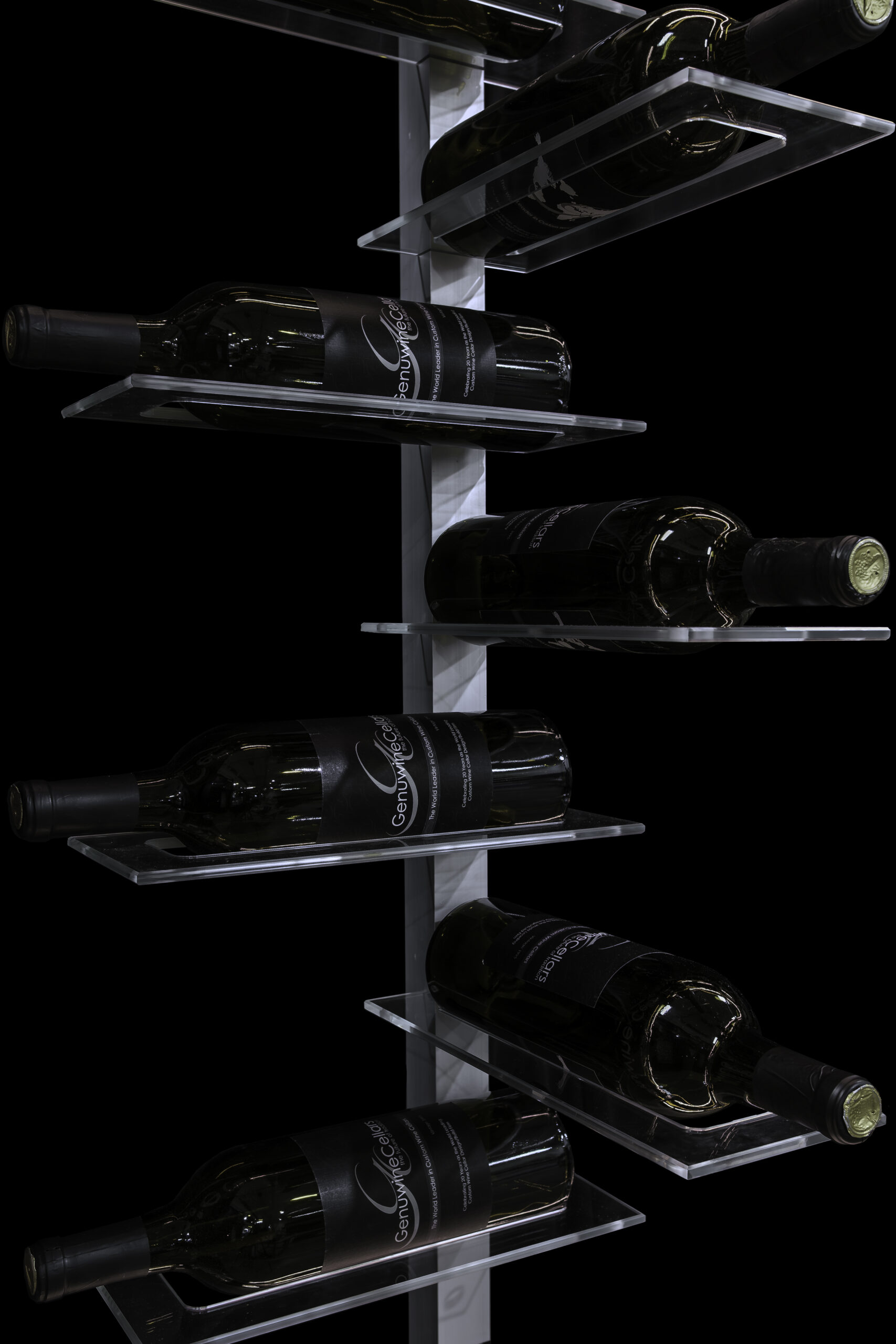
Opus redefines wine racking through architectural glass planes that suspend each bottle in balanced alignment, creating a visual narrative of the collection. The structure disappears, allowing the wine bottles to take center stage. Precision-engineered supports and refined hardware contribute to the illusion of weightlessness, transforming wine storage into a curated presentation. It is the glass wine wall we specify when the collection is meant to be read from across the room.
Trusted By








Opus has been specified for private residences, restaurants and hospitality groups across North America, in modern wine cellars where the glass is the architecture of the room.
Signature Opus Wine Walls
A selection of contemporary wine cellars where Opus carries the light of the room.
A Composition in Glass and Aluminium
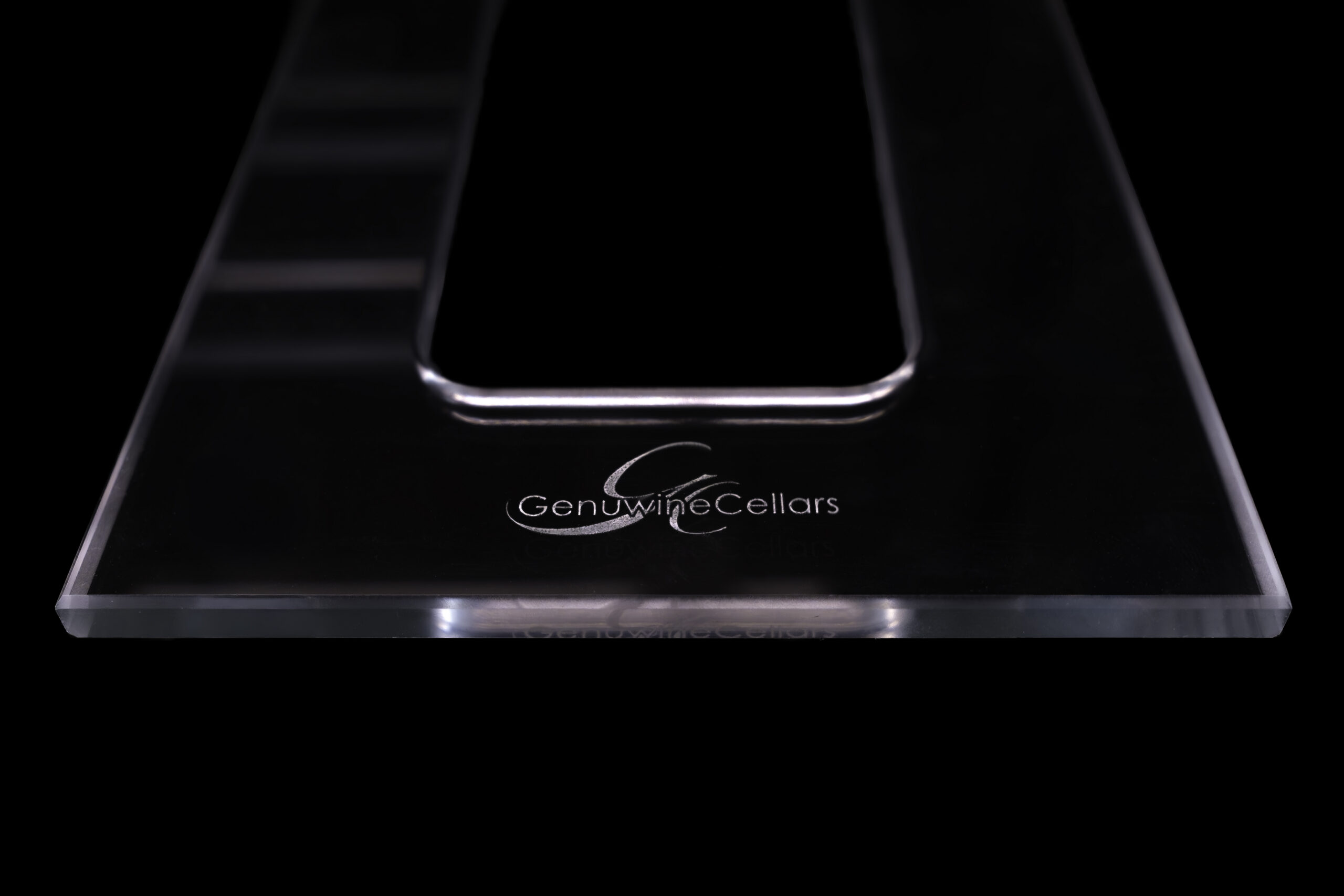
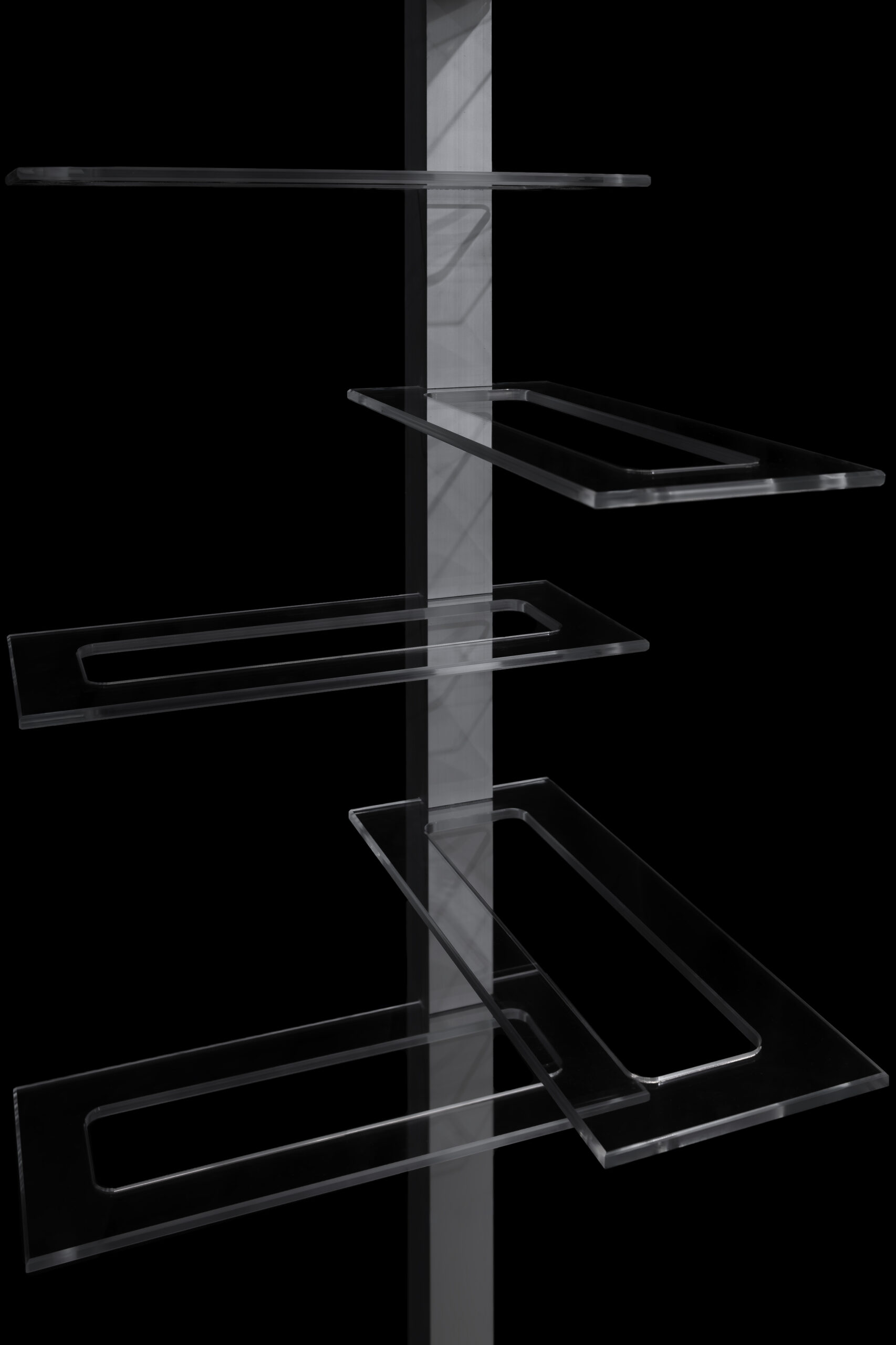
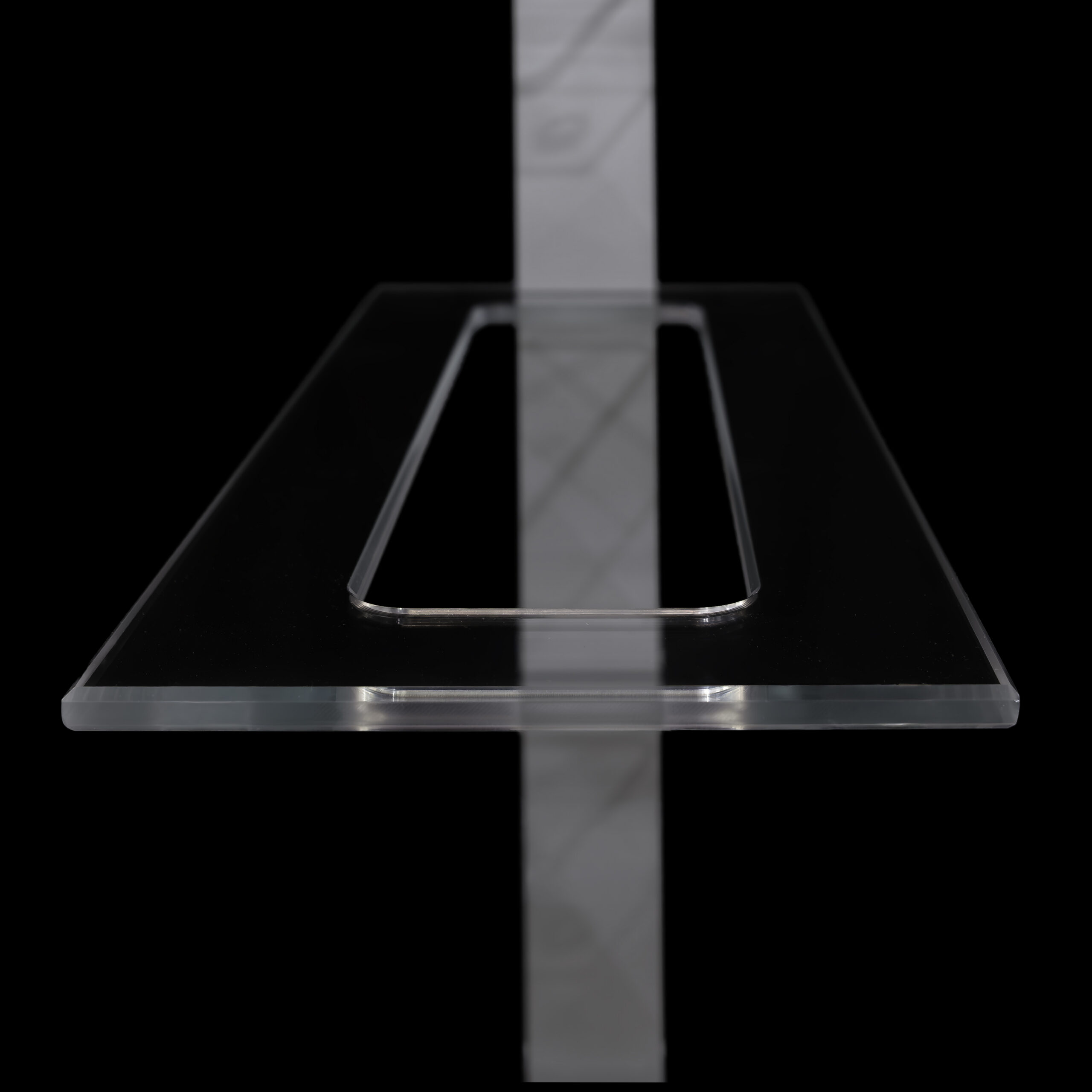
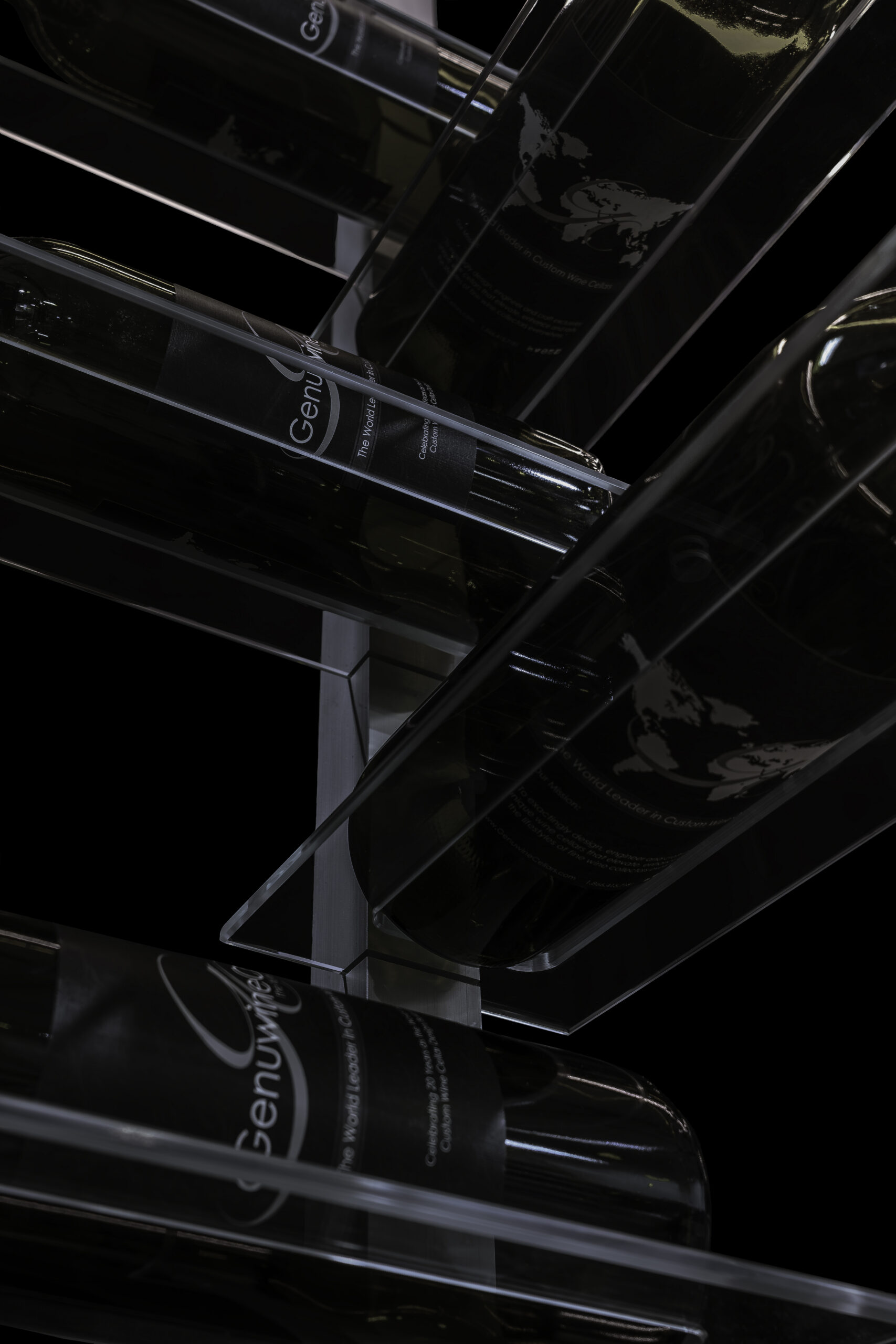
Structural metal framing meets precision-cut architectural glass in the Opus design, creating a harmonious blend of strength and elegance. Every element is fabricated to exact tolerances, ensuring stability without visual density. The thoughtful construction allows for an unobtrusive display of wine collections, minimizing distractions and maximizing aesthetic appeal.
Horizontal Rhythm
Unlike traditional freestanding wine racks that stack vertically, Opus organizes space through controlled horizontal repetition, creating a striking visual impact. This innovative approach results in visual calm, architectural order, and uninterrupted sightlines across the collection. Each span is engineered for structural integrity while maintaining visual lightness, allowing for easy access and organization.
Engineered for Collectors
Displaying wine is not merely about storage; it’s an art form that requires thoughtful consideration of aesthetics, accessibility, and temperature control. The Opus system takes this into account by allowing for optimal viewing angles while ensuring that each bottle remains at the ideal temperature.
Glass tone, aluminium finish and lighting are sampled against the room before anything is fabricated, and a modern glass wine wall can be extended later without breaking its rhythm. See the full range of luxury materials and finishes for custom wine cellars.
MATERIAL INTEGRITY
Every element is fabricated with purpose. Architectural-grade glass is precision-cut and edge-finished to exact tolerances. Structural metal components are engineered for rigidity and longevity. Hardware is integrated discreetly, ensuring that material expression remains refined and uninterrupted. Opus is built to perform, and to endure. There are no assembled frames. No layered brackets. Just a disciplined structural foundation that carries the collection with clarity and strength.
Tailored Scalability
Designed for evolving collections and flexible layouts, Opus is fully customizable. Configurations can accommodate single-depth presentation or expanded storage without disrupting architectural rhythm. Modules align cleanly, allowing the system to scale vertically and horizontally with precision. Whether installed as a feature wall or a full luxury wine room installation, the structure maintains proportional balance at every scale. Whether configured for a focused private collection or a luxury wine room feature wall, expansion strengthens the composition rather than complicating it.
Refined Structural Integration
Opus is engineered for architectural anchoring. The system is securely mounted to support long-term load stability while preserving its floating aesthetic. It is compatible with climate-controlled wine cellar environments and tailored for integration within custom millwork or contemporary architectural settings. This is wine racking engineered as permanent infrastructure. Materials are selected not for ornament, but for performance and longevity.
CUSTOMIZED LUXURY
Opus adapts to the project. Finish selections, layout density, spacing, and configuration are tailored to align with the architectural intent of the space. The system supports bespoke planning, ensuring that bottle capacity, visual composition, and spatial efficiency are resolved together. Each installation is deliberate, never generic.
Space is optimized. The collection remains the focal point.
ENGINEERED FOR SPATIAL EFFICIENCY
By combining structural precision with open presentation, Opus maximizes storage without visual congestion. Bottles are displayed in disciplined alignment, creating depth and dimension while preserving clarity. It is premium wine storage designed to showcase a serious collection without overwhelming the space it inhabits. The result is density without visual weight, structure that performs without appearing heavy.


Contemporary Collection
Opus sits within our modern wine cellars collection and our glass enclosed wine cellars, alongside Lumina, Echelon and The Cube.
Begin Your Masterpiece
Every Opus design is configured to the space, the collection, and the architectural intent behind it.
Opus Wine Wall FAQs
Common questions about commissioning Opus, from the strength of the glass to configuration, finishes, cost and climate control.
When is Opus the right choice?
When the collection is meant to be read from across the room and the structure is meant to disappear. Opus suits a glass enclosed cellar, a dining room feature wall or a hospitality space where the wine is part of the architecture.
Is Opus a glass wine wall or a wine rack?
A glass wine wall. Glass planes, aluminium framing, lighting and climate control are designed together for the room, and every span is engineered to hold its line without visual weight.
Is the glass strong enough?
Yes. Architectural glass is cut to exact tolerances and carried by a metal frame engineered for the full load, so stability never depends on the glass alone.
Why is Opus organised horizontally?
Horizontal repetition keeps sightlines unbroken across the collection. Instead of a stacked wall, the eye travels along the run, which is what gives the system its visual calm.
What finishes are available?
Aluminium is offered in a range of architectural finishes, with glass specified for clarity and tone. LED lighting can be integrated to light the bottles through the planes.
Can Opus be used in a glass wine cellar?
Yes. Opus is often the display wall of a glass wine cellar, where glass on glass keeps the room transparent from every side, with cooling and moisture control designed into the enclosure.
How much does an Opus installation cost?
Cost follows span, glass specification, finish and lighting. We provide a full design and a fixed proposal before any work begins. Our guide to custom wine cellar cost covers the main variables.
Can Opus be installed in an existing room?
Yes, provided the wall or floor structure can carry the frame. We survey the room first and engineer the fixings to the structure that is there.