

Created for New York’s Most Exceptional
Homes and Hospitality
We create custom wine cellars that New York collectors, developers, and leading hospitality groups trust. The goal is simple: a wine cellar that looks effortless and runs quietly every day, seamlessly integrated with your space.
Trusted By Leading Brands In Manhattan And Brooklyn
We create gallery-grade environments for Park Avenue duplexes, Tribeca lofts, Upper East Side townhouses, Hudson Yards penthouses, private clubs, and signature restaurants.











Why New York Demands Exact Climate Control
New York summers are warm and humid. Manhattan’s July daily average sits in the mid-70s°F, and the urban heat island can add ~7°F on still nights. Winters are cold. Your cellar must hold steady across these swings. Many buildings still run steam or district steam. That can over-dry room air in winter and add heat near the glass. We create tight envelopes, specify correct glazing, and balance air so the display stays clear and stable.
Recent seasons have brought higher dew points across the Northeast. In humid spells, poor detailing can cause glass to sweat. We control dew points with sealing, insulated glass, and discreet air-wash strategies. Target ~55°F with ~60-70% RH. Stability protects corks, labels, and long-term value.
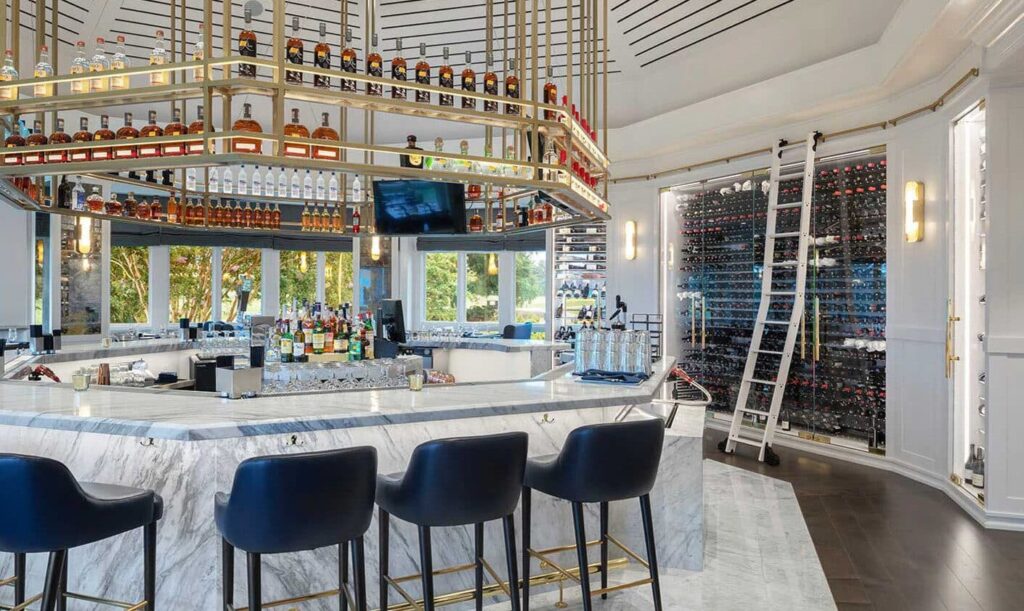
Luxury Custom Wine Cellars Tailored For New York Homes
Your interior sets the brief, and we match it with precision. Every wine wall, cellar, or display we build is designed to echo the architecture, lighting, and aesthetic of your New York space, whether it’s a Fifth Avenue high-rise, a Tribeca loft, a Brooklyn brownstone, or a Westchester estate. By aligning material choice, cooling performance, and visual design with your existing interior, we ensure your wine feature feels intentional, integrated, and elevated.
Architectural Fit
Dining vitrines, private tasting salons, or concealed rooms behind paneled doors.
Material Language
Metal and stone for modern grids or traditional wood wine cellars in rift oak, walnut, or mahogany.
Lighting
Low-heat, dimmable layers that flatter labels without raising heat.
Quiet Climate
Right-sized cooling systems with remote components for museum-quiet rooms.
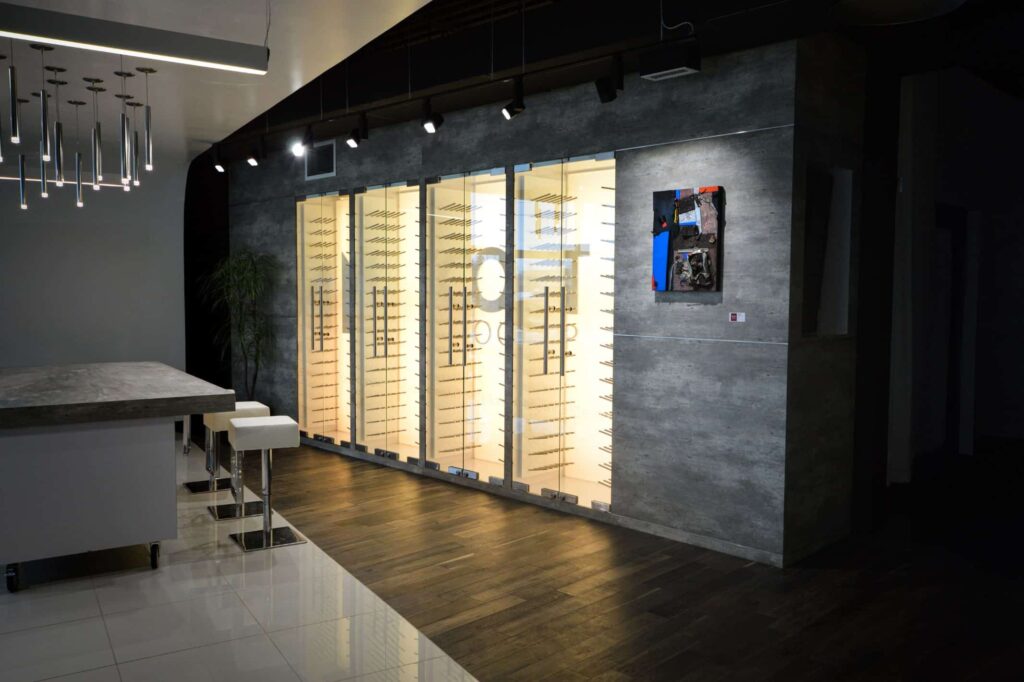
Featured Local Projects in -New York City,
Queens, And Staten Island
Park Avenue
Duplex vitrine
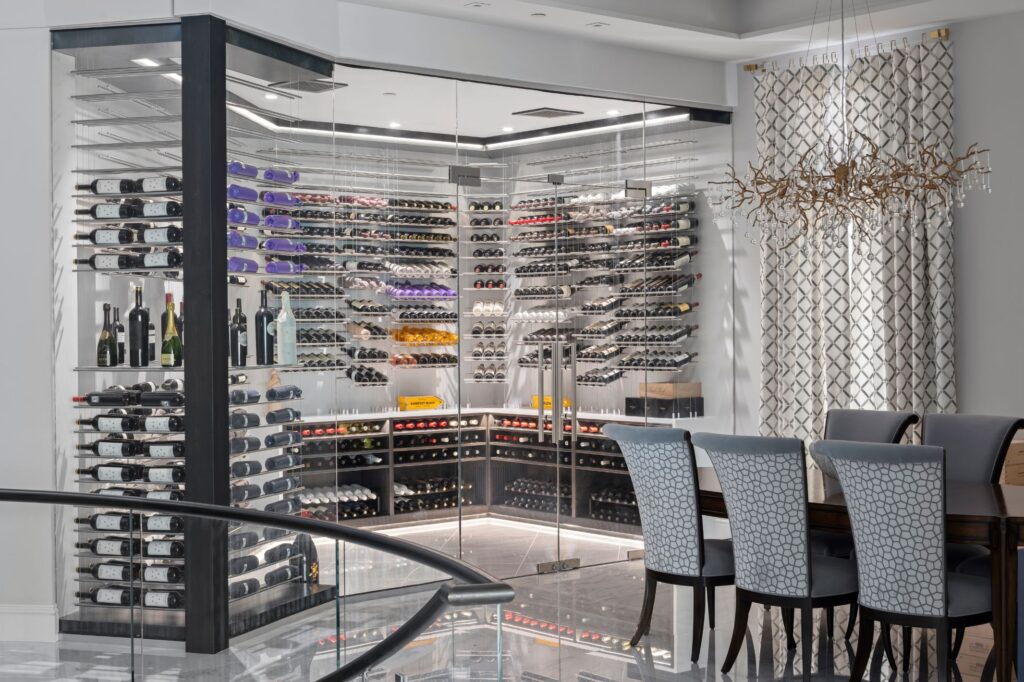
Slim steel, frameless glass, remote condenser for near-silent wine storage beside the dining room
Brooklyn Heights townhouse salon
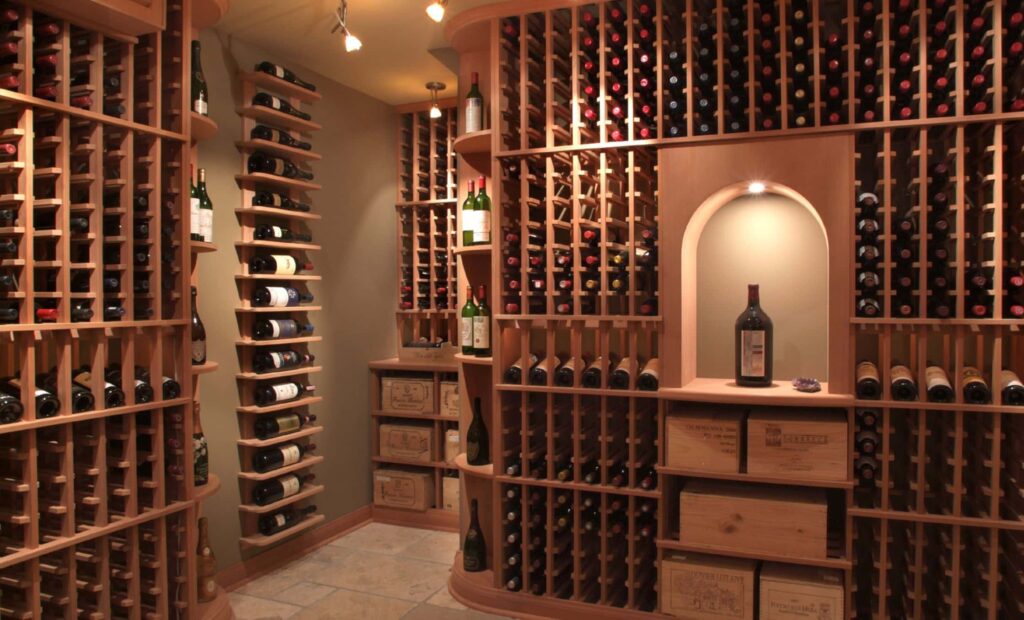
Traditional wood wine cellars aesthetic, magnum nests, limestone tasting console, warm raking light
Tribeca
penthouse gallery
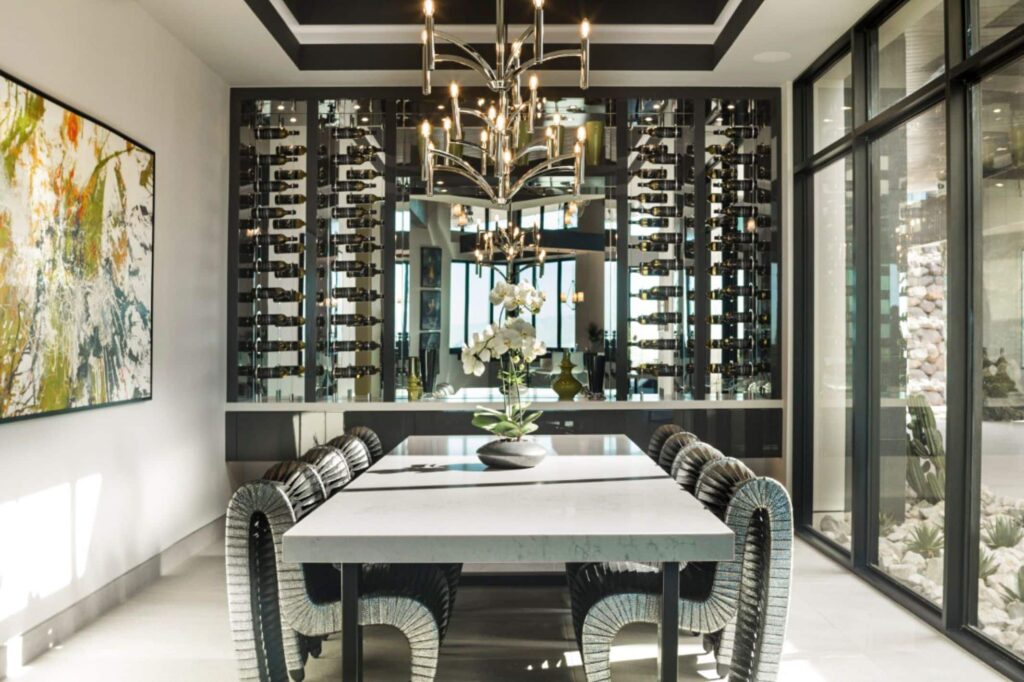
Floating wine racks, crystal-clear glass, sensor-driven humidity control
Why Choose Genuwine Cellars In New York?
We Create At The Highest Level
Bespoke environments for significant wine collections.
Aesthetic Fidelity
From minimalist steel and glass to richly crafted traditional wood wine cellars.
Engineering Depth
Envelope design, cooling systems, and humidity control for year-round wine storage.
Single Accountable Team
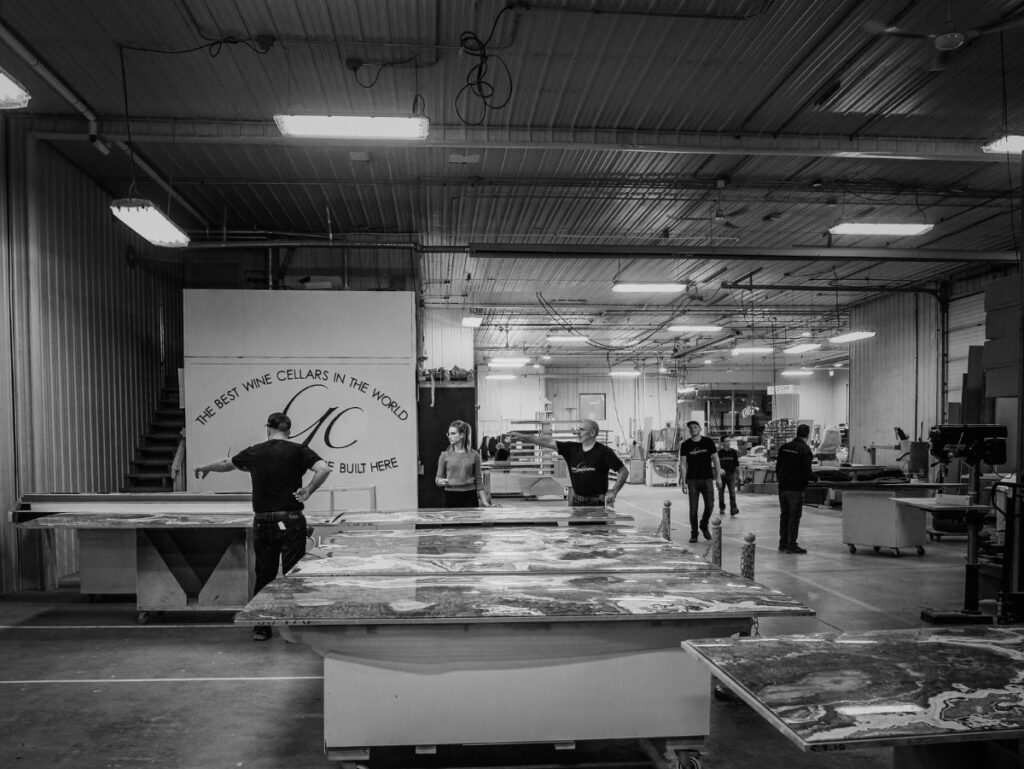
We design, create, fabricate, deliver, and commission under one roof.

Our Wine Cellar Design And Installation Process
Discovery
Define goals, capacity, formats, and how you host. We align the scope with the home and the collection.
Concept
Layouts and elevations with options for wine racks, vitrine formats, case zones, and lighting hierarchy.
Engineering
Insulation, vapor seal, cooling systems, and humidity control sized to glazing and NYC conditions.
Fabrication
Precision components finished in controlled conditions for perfect color and fit across all custom wine cellars.
Field Work
Our team delivers, positions, and integrates components, then completes controls and balancing.
Commissioning & handover
We verify set points, demonstrate care routines, and document service paths for effortless wine storage.
Wine Cellar Materials, Finishes, & Lighting
Timber
Rift oak, walnut, or mahogany that patinates well.
Lighting
Low-heat sources with drivers outside the envelope; layers for feature bottles and service zones.
Hardware
Concealed hinges, soft-close actions, custom pulls. Every touch feels precise.
Metals & Stone
Clean profiles that read architectural, not decorative.
Glass
Insulated, gasketed, and detailed for high dew-point days.
Residential Solutions For High-Value Collections
Showpiece vitrines

Gallery-grade wine display
in social rooms.
Private tasting rooms
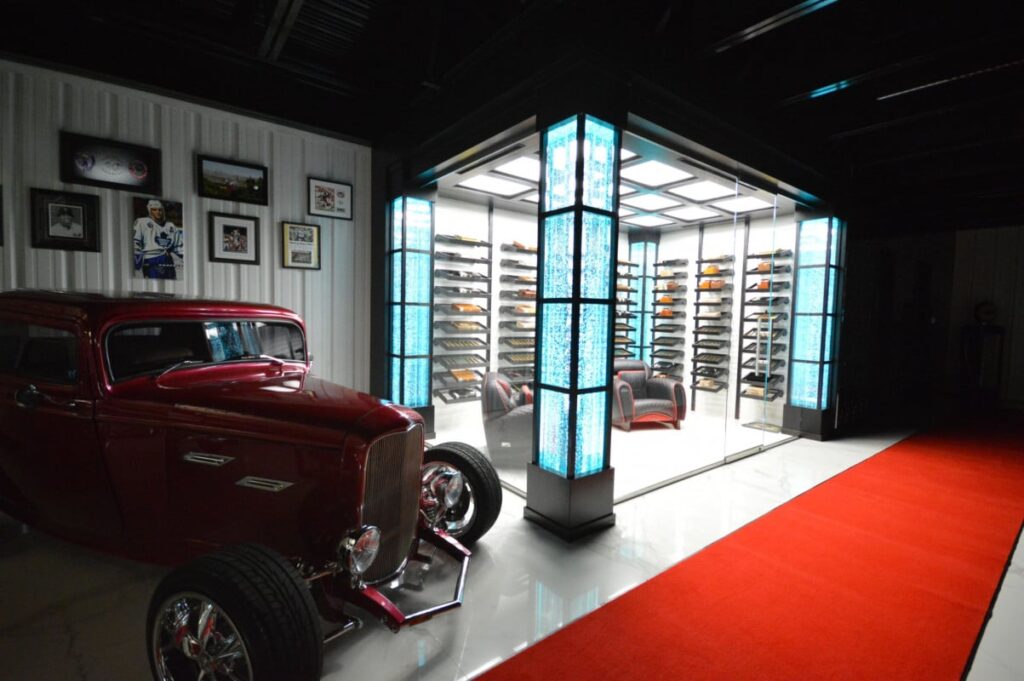
Decanting, storage for stemware, and service flow that supports hosting.
Furniture-grade cabinets
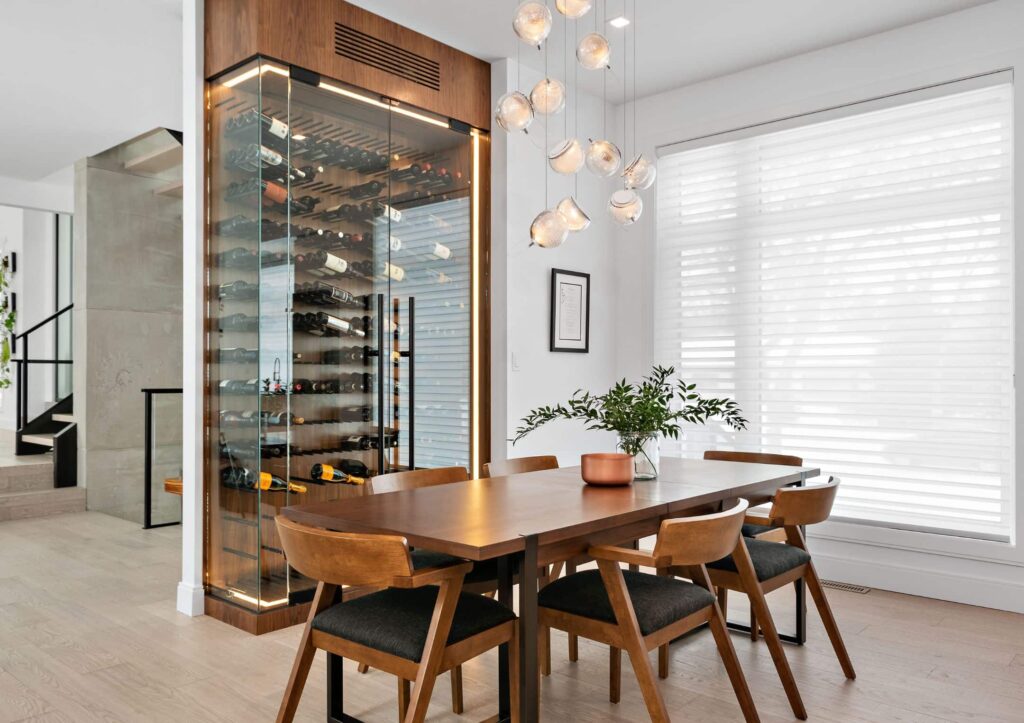
Compact, climate-stable wine storage for satellite collections in studies or libraries.
Flexible wine racks
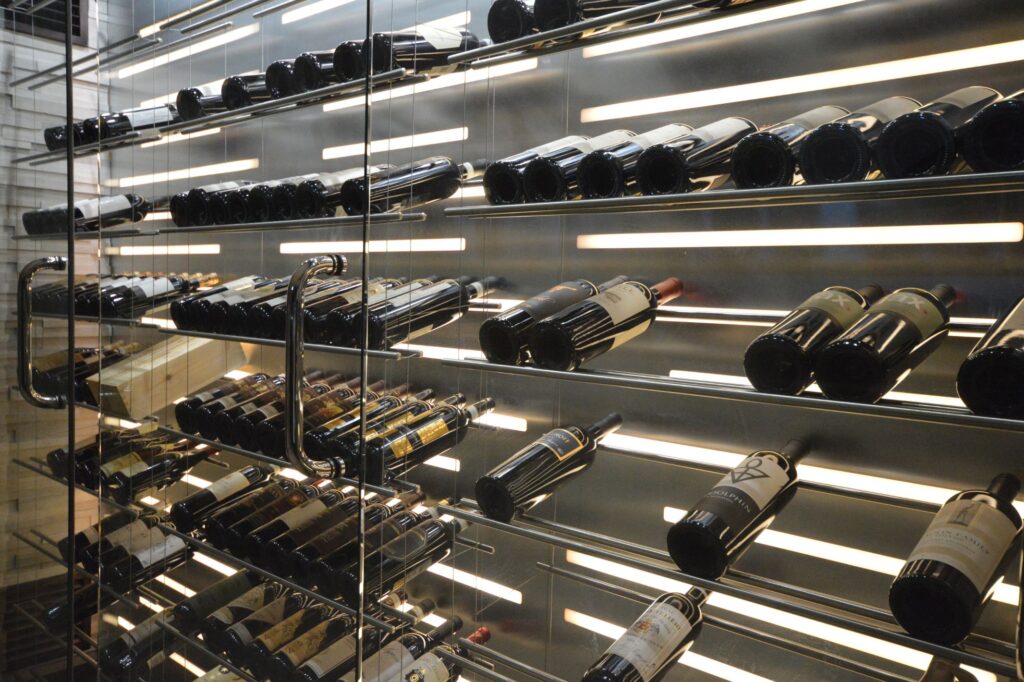
Presentation angles, magnum bays, and deep case capacity that evolve with your buying.
Commercial & Hospitality Wine Cellar Programs
For New York’s signature dining rooms, private clubs, and boutique hotels, we bring to life a custom commercial wine cellar built for Manhattan and Brooklyn hospitality standards.
Back-Of-House Capacity
High-density wine racks with clear aisle logic and labeling.
Feature Walls
Curated wine display at entry or bar.
Brand Alignment
Materials and light are tuned to the interior narrative and the guest experience.
Controls That Scale
Redundant cooling systems, sensors, and alerts for service peaks and overnight holds.
New York Wine Cellar Expertise
Our team has spent years navigating New York’s unique building requirements, from co-op and condo board approvals to landmark district restrictions, so your installation stays on schedule and up to code.
Custom Wine Cellars in New York
Each design is tailored to your space, whether you’re working with a Manhattan high-rise, a Brooklyn brownstone, or a Hamptons estate, balancing structural realities with the display you want to live with every day.
Commission Your Dream Wine Cellar In New York
Frequently Asked Questions About Custom Wine Cellars In New York
What temperature should a wine cellar be in New York?
Aim near 55°F with ~60-70% humidity. Keep it steady through winter dryness and summer humidity for reliable wine preservation.
How do I store wine properly in a wine cellar?
Lay bottles on their sides in ventilated wine racks. Limit light and vibration. Use a sealed envelope with right-sized cooling systems and active humidity control.
Do you create custom solutions for large collections?
Yes. We map zones for feature wine display, magnums, and deep case capacity. Modular wine racks let the layout grow without starting over.
What does a custom cellar cost in New York?
Cost depends on size, glazing, finishes, and mechanical scope. After site review, we share a clear range and value options that protect core wine storage performance.
Do you offer custom wine fridges in New York?
We create furniture-grade wine cabinets with integrated climate control. Use them alone or as part of a larger environment.
Do you have compact solutions for pied-à-terres?
Yes. Discreet vitrines and cabinets suit secondary collections, while the main cellar anchors the home.
Do you build custom wine cellars in New York City co-ops and condos?
Yes, and the constraints are different from a house. Manhattan co-op and condo work turns on building approval, service elevator access, floor loading and noise limits on cooling equipment. A filled cellar is heavy, so we confirm the structural allowance and the board’s alteration agreement before design begins, and specify split cooling systems that keep the condenser out of living space.
Do you build custom wine cellars in the Hamptons and Westchester?
Yes. Custom wine cellars in New York extend well beyond the city for us, including East Hampton, Bridgehampton and Sagaponack on the East End, and Bedford, Scarsdale and Rye in Westchester. Second homes on the East End raise a specific issue: cellars that sit unoccupied for stretches need monitoring and fail-safe cooling, because an outage discovered weeks later has already cost the collection.