

Wine cellar climate control, engineered into the room
A wine cellar is only as good as the air inside it. Temperature that drifts, humidity that swings or a cooling unit humming through the wall will undo the finest joinery and glass. That is why climate is engineered at the start of every Genuwine Cellars commission, never added at the end.
Our Design Team sizes the system to the room, the glass, the collection and the house around it, then builds the envelope that lets it perform: insulation, vapor barrier, sealed doors and quiet air delivery. One Atelier, from sketch to commission, so the cellar that looks right also holds the steady conditions a collection needs for decades.
Climate Systems We Design Around
The right system depends on the room, the amount of glass and how quiet the space must be. We specify and engineer around the leading wine cellar cooling platforms, chosen for performance, never convenience.
Ducted Split Systems
The equipment sits outside the cellar and conditioned air is ducted in, so the room stays silent and the racking stays uninterrupted.
Ductless Split Systems
A slim in-room air handler with a remote condenser, for rooms where ducting is not practical.
Self-Contained Systems
A compact through-wall system for smaller cellars, converted closets and under-stair rooms.
Humidity Control
Humidification or dehumidification added where the home, the local climate or a glazed room calls for it.
access the Genuwine Cellars lookbook
A curated collection of cellars we have designed and built, with the rooms they went into.
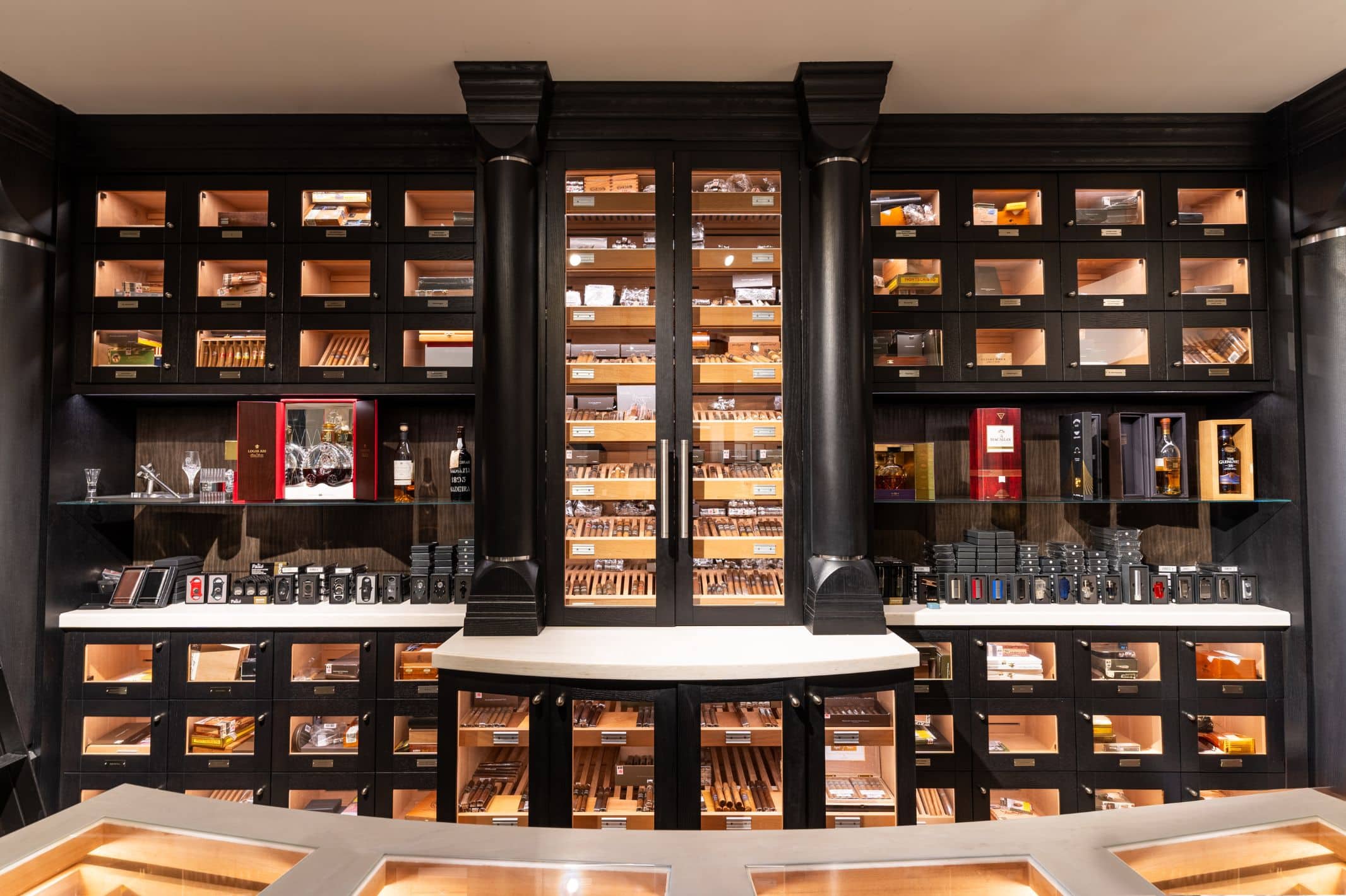
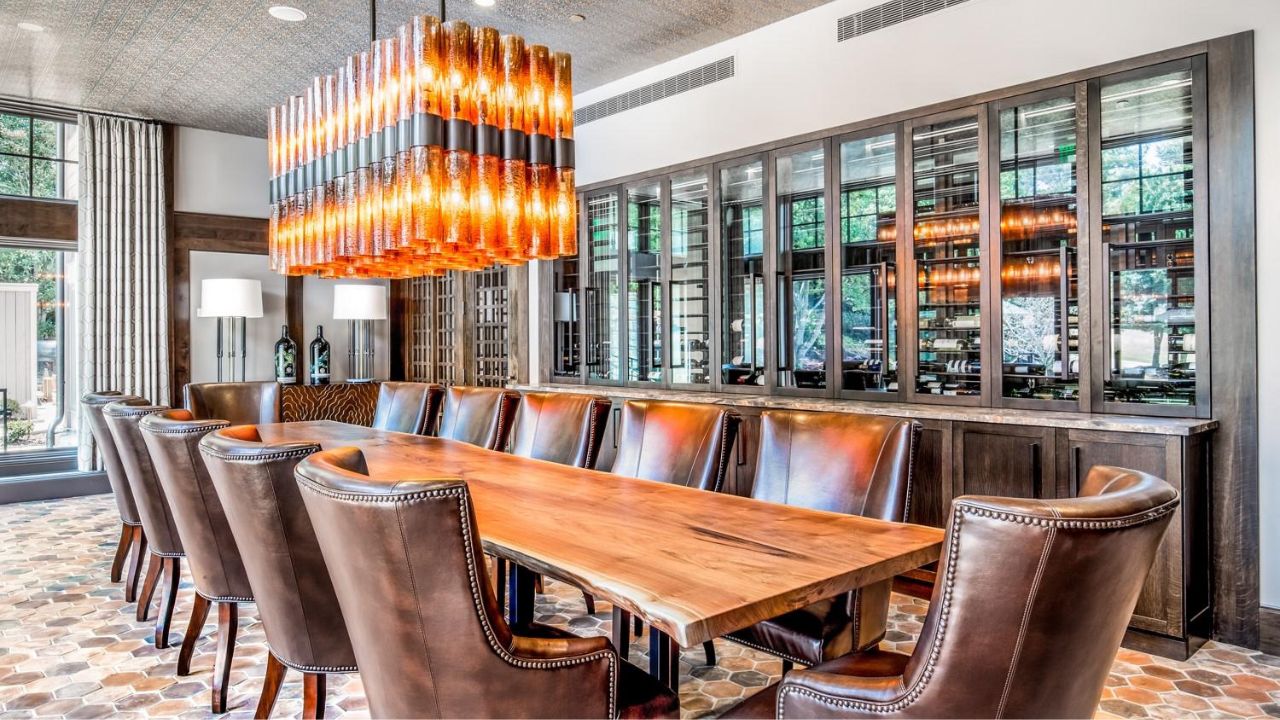
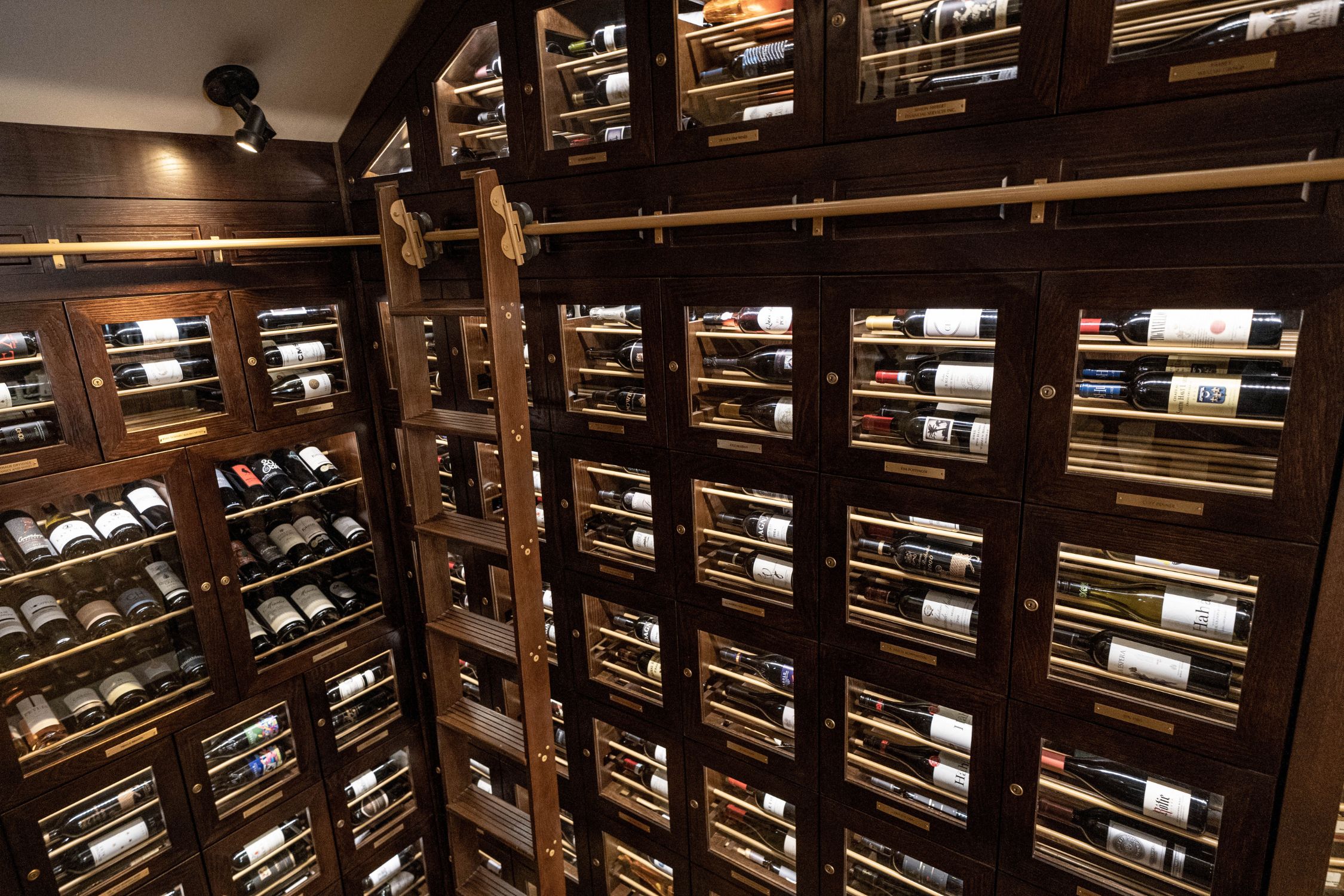
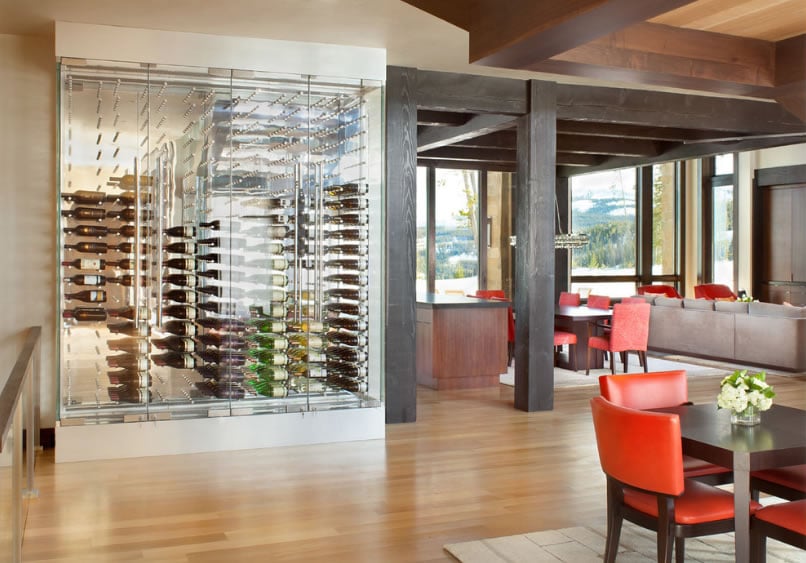

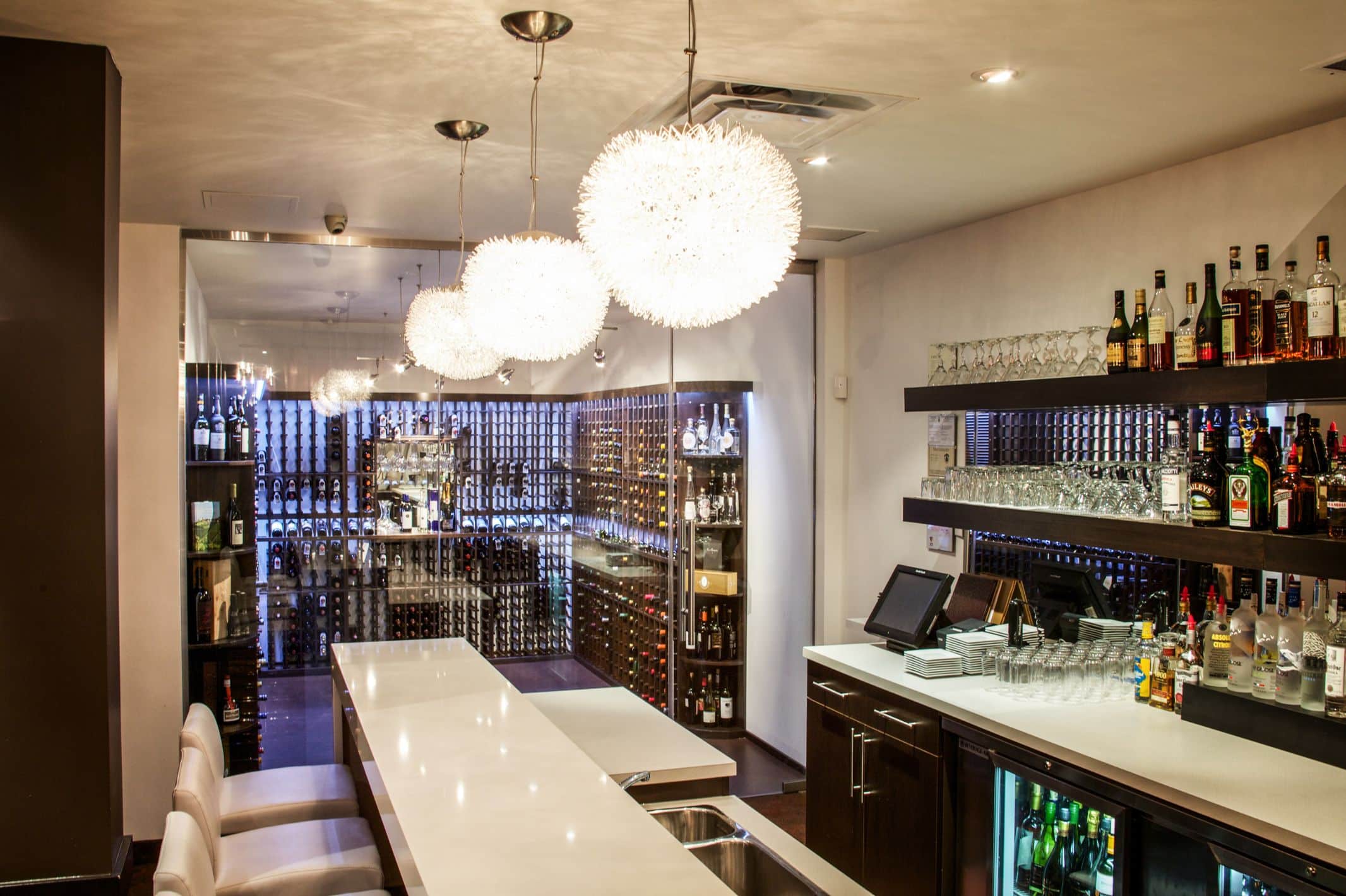
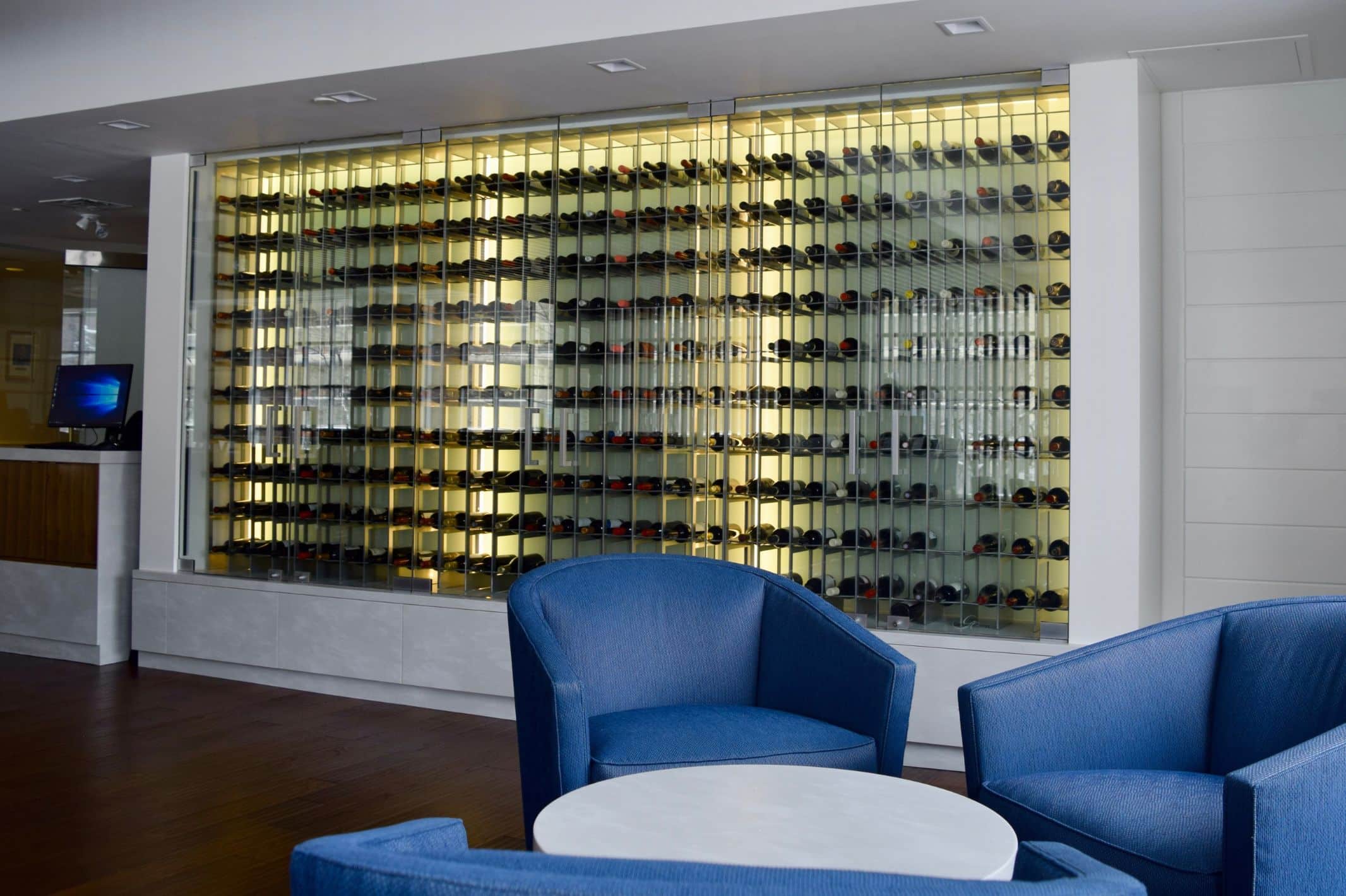
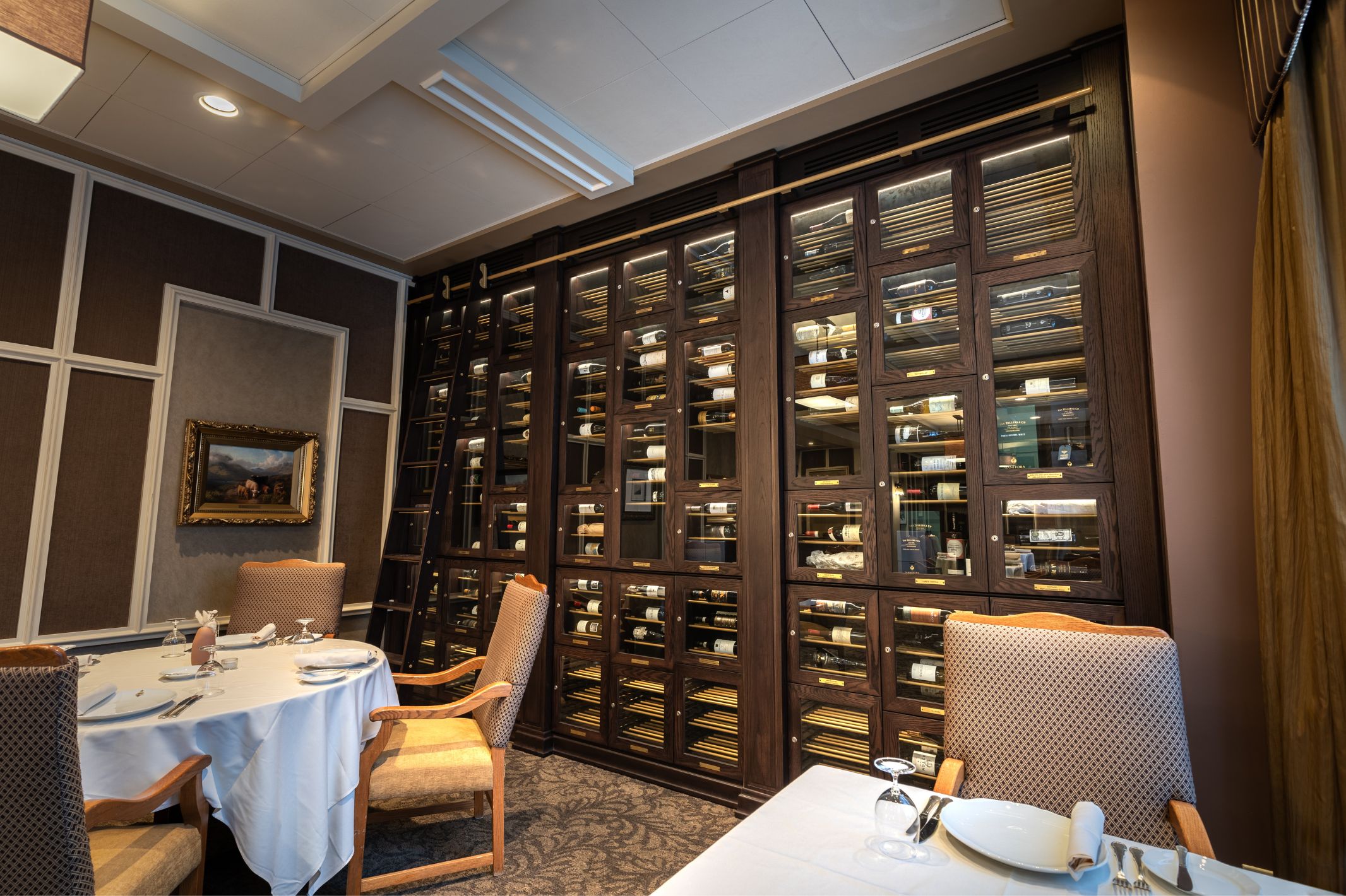

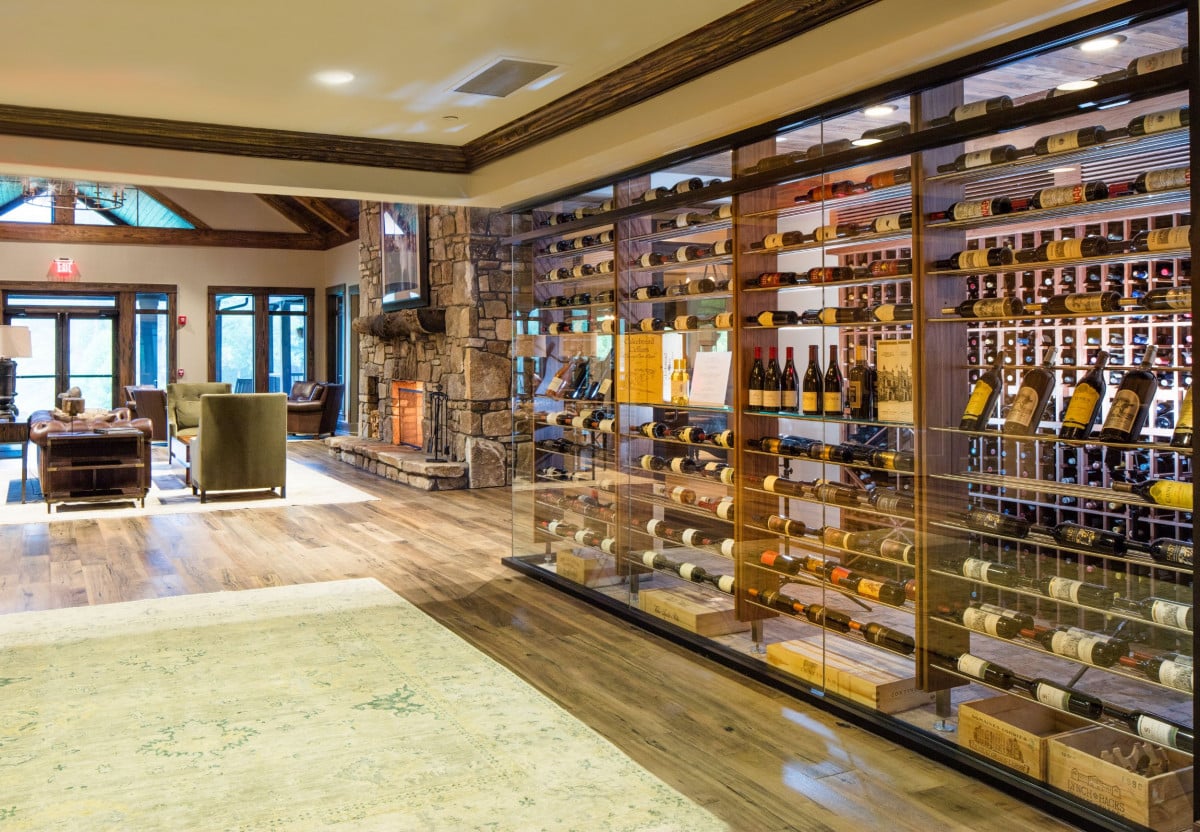
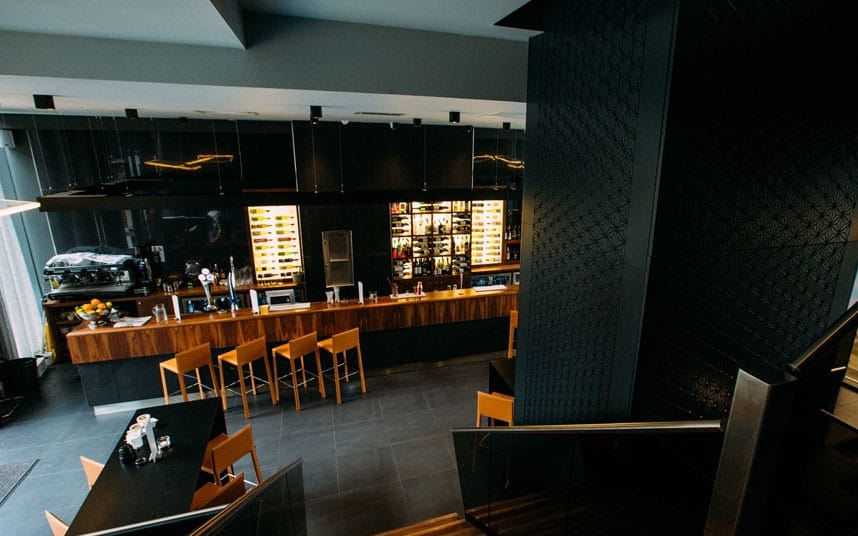
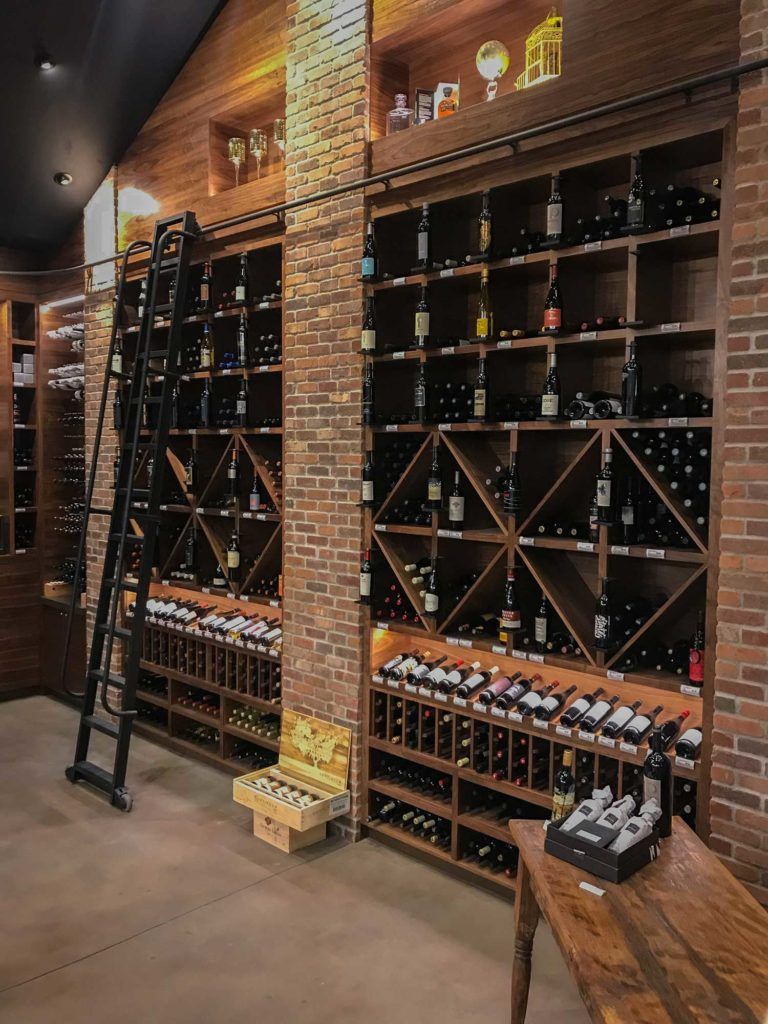
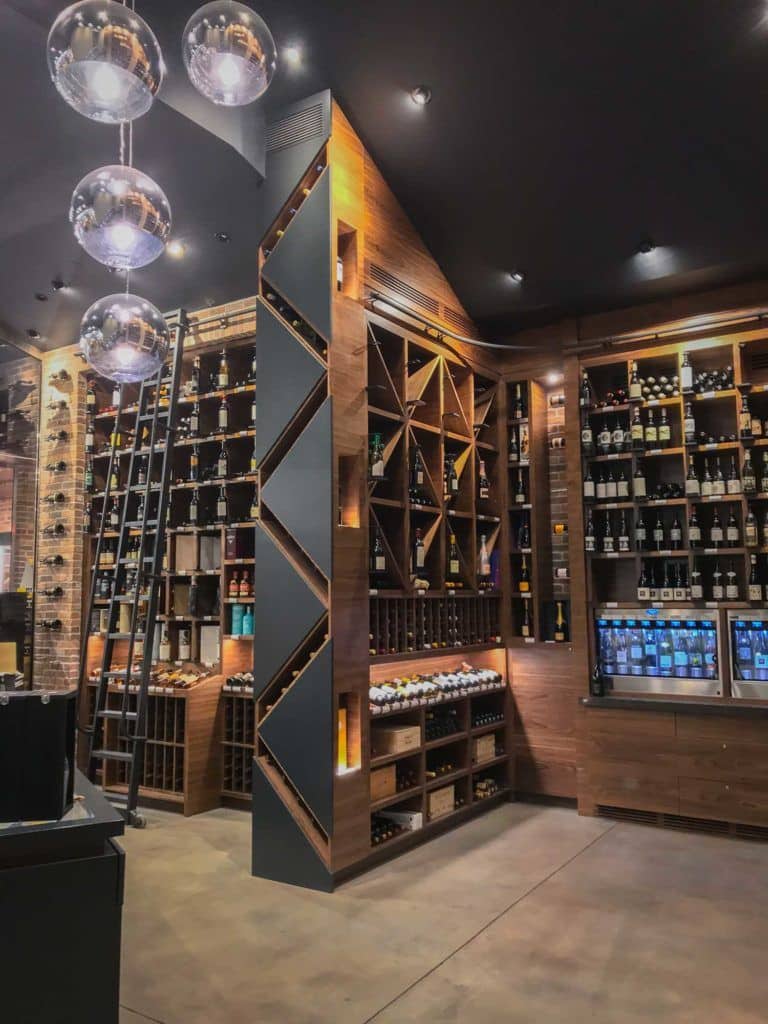
Trusted By
Architects, designers and builders bring us their most demanding commissions, and have done for over three decades.












your imagination is our baseline
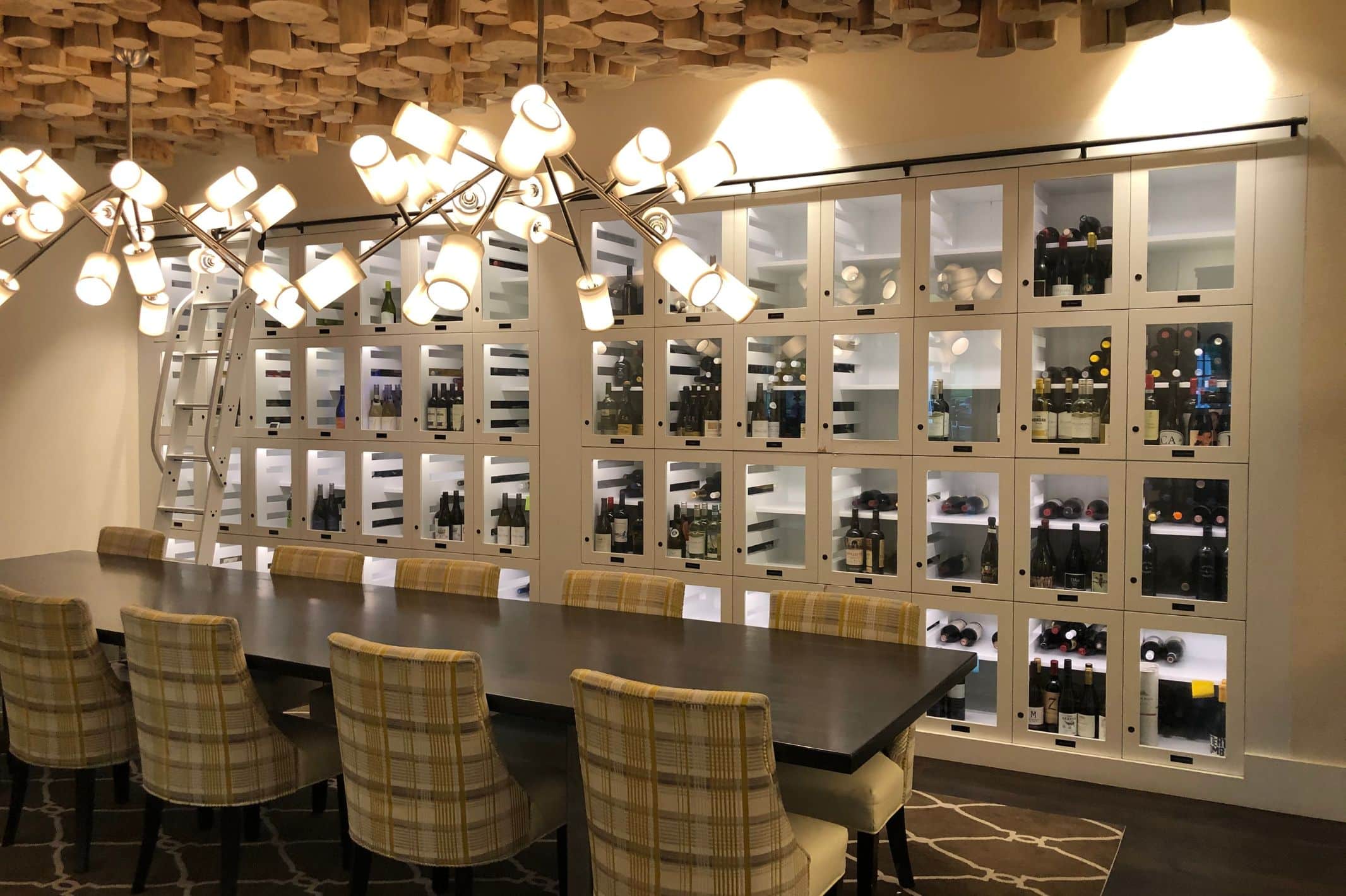
Glass-Enclosed Wine Rooms
Glass gains and loses heat quickly. We calculate the load through every pane and specify insulated glazing, so the room holds temperature and the glass stays clear.
Basements And Lower Levels
Cool, but often damp. We control moisture as carefully as temperature, with a sealed envelope and humidity managed to protect corks and labels.
Under The Stairs
Compact rooms that share the air of the house. A tight envelope and a correctly sized system keep a small cellar as stable as a large one.
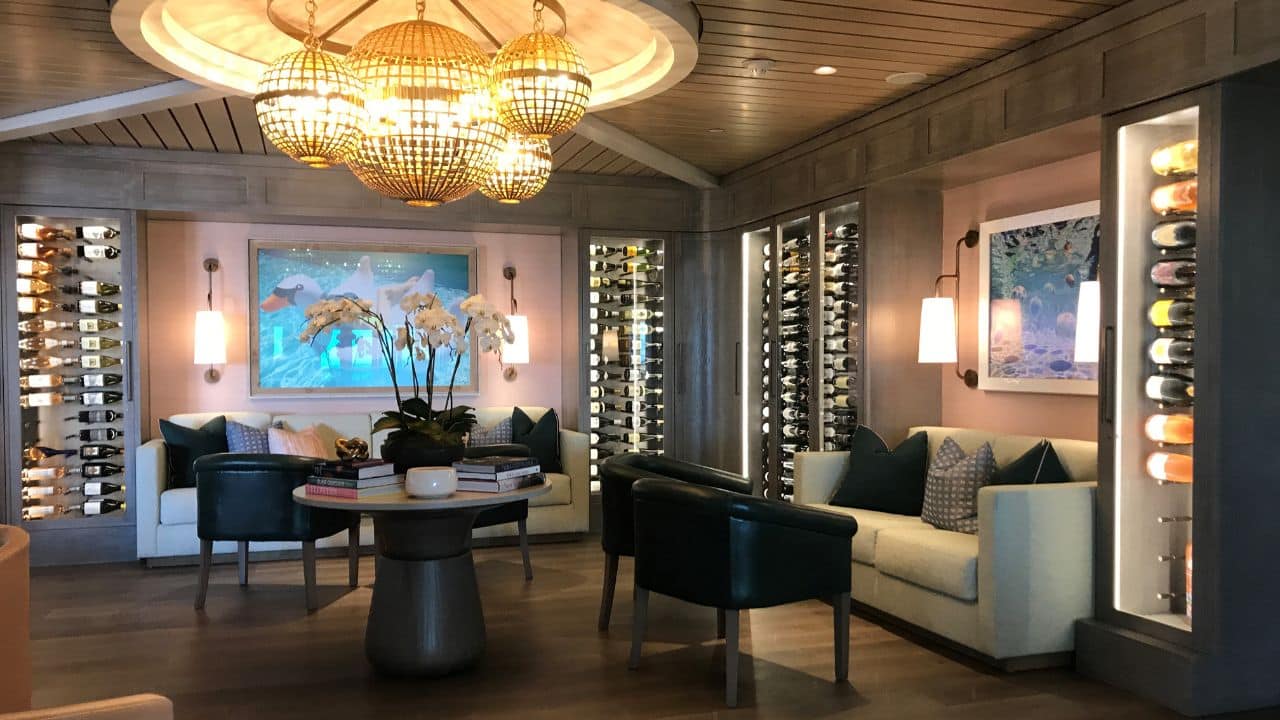
Living And Dining Rooms
A cellar on show must be silent. Ducted systems take the equipment out of sight and out of earshot, so the room is seen and never heard.
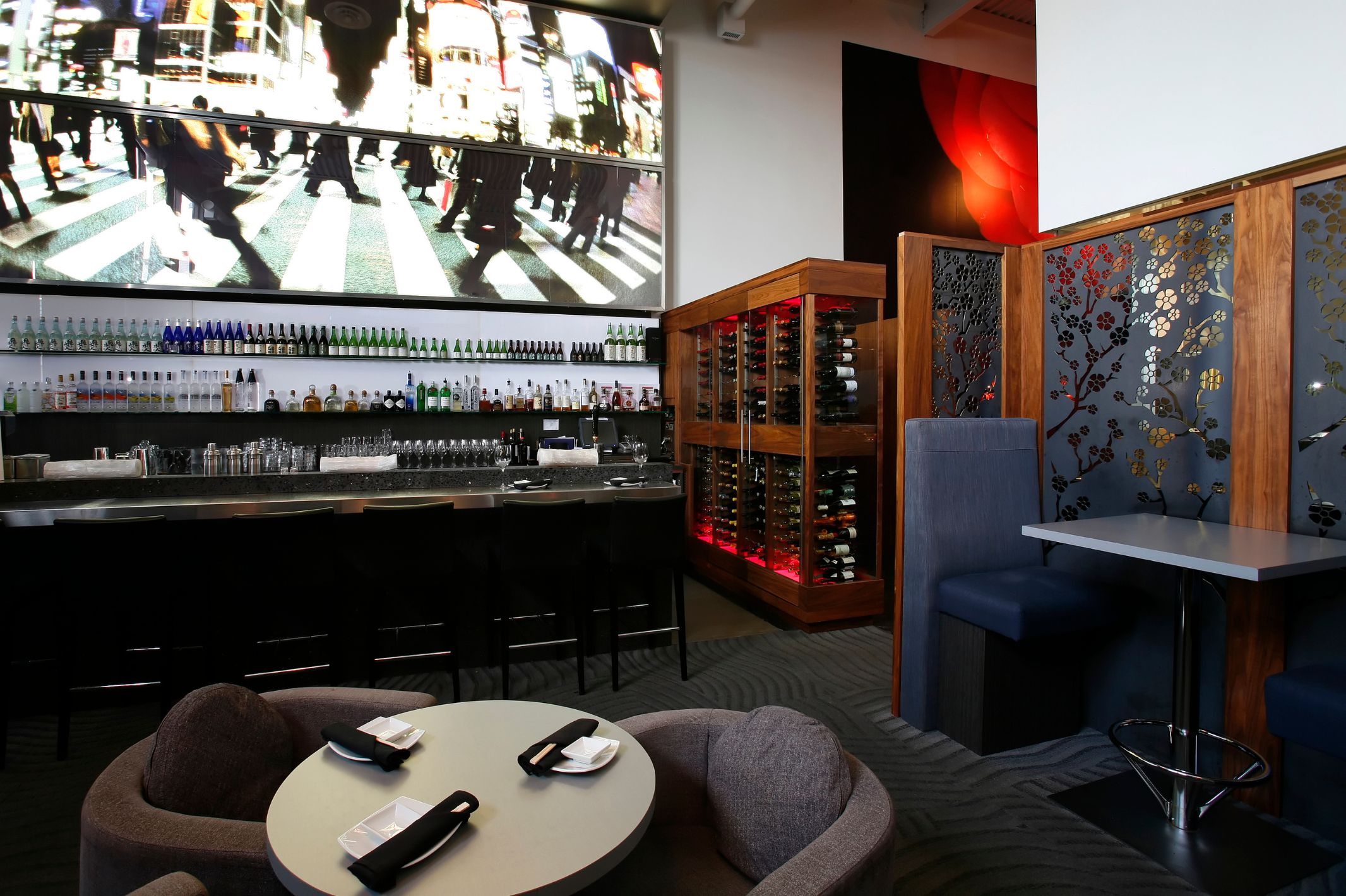
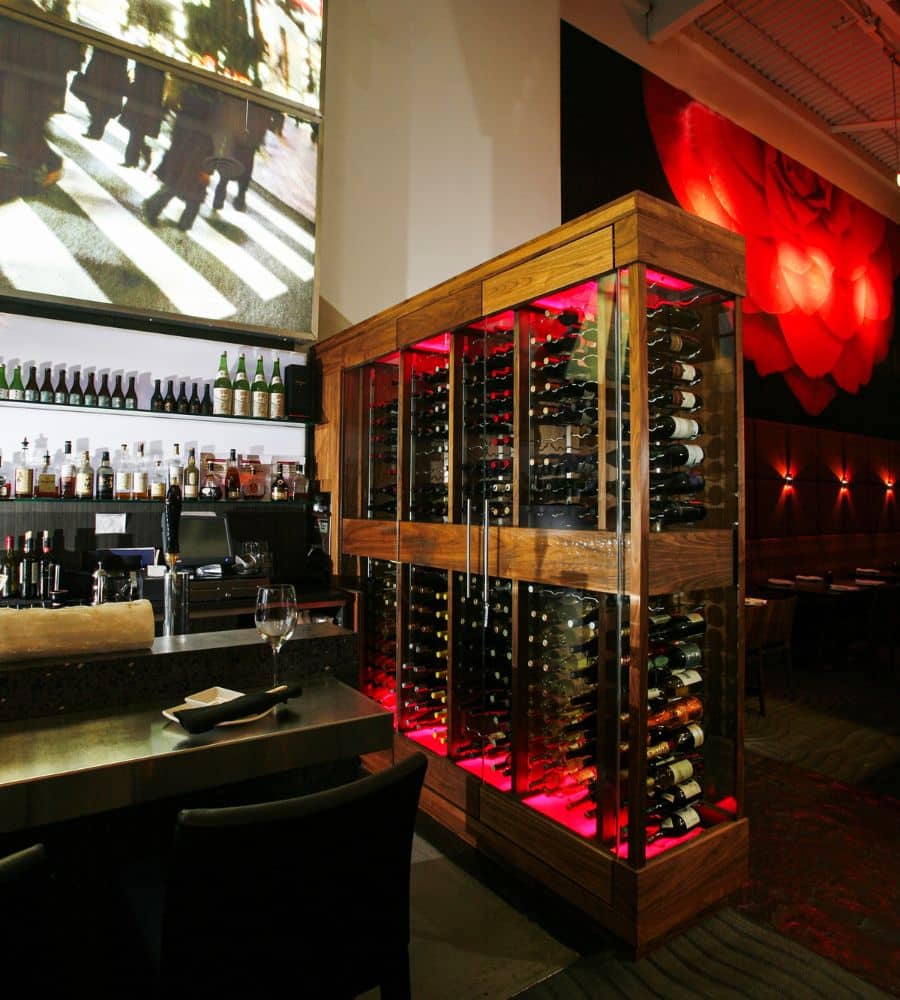
Commercial Wine Cellars
Restaurants, clubs and hotels open the door all evening. We size for heavy use, with monitoring built in so conditions never slip during service.
Existing Cellars
Where the envelope allows it, we bring an existing cellar up to standard. We survey first and tell you plainly what needs to change.
Precision Climate, Engineered By Genuwine
Heat-Load Calculation
Every system is sized from a full heat-load calculation: the volume of the room, the glass, the insulation, the lighting and the conditions outside it.
Insulation And Vapor Barrier
The envelope comes first. Walls, ceiling and floor are insulated and sealed on the warm side, so moisture never reaches the cellar and the system never overworks.
Humidity Management
Humidity is held in the range that keeps corks supple and labels intact, with humidification or dehumidification added where the home requires it.
Silent Operation
Equipment is placed so the cellar is heard as little as it is seen, essential for living, dining and entertaining spaces.
Monitoring And Commissioning
Temperature and humidity can be monitored remotely, and every system is commissioned and tested before handover.
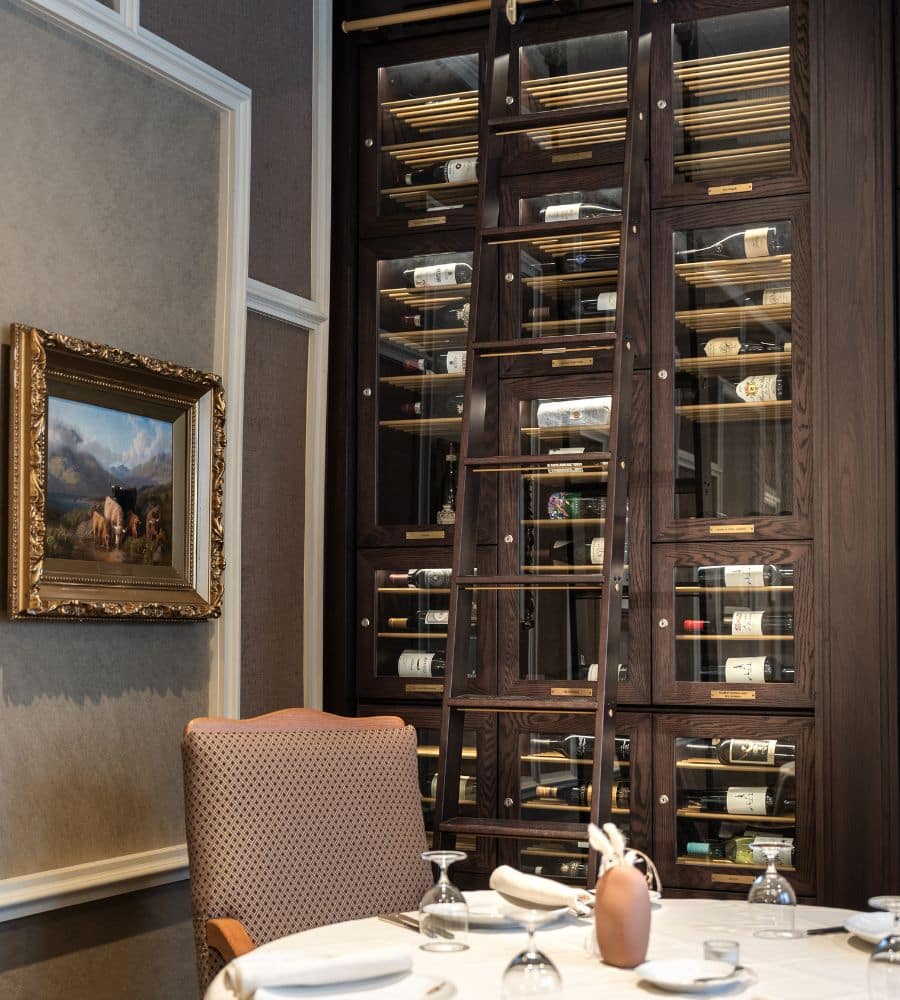
the commission process
Survey And Feasibility
We measure the space, check structure, moisture and services, and calculate the heat load the system must carry. If the room is wrong we say so before you have spent anything on design.
Design And 3D Rendering
You see the cellar in the room, at scale, with the climate system planned in before anything is engineered. Changes happen here, where they cost nothing.
Engineering And Manufacture
Every component is drawn, engineered and made in our own facility, and the envelope and cooling are specified together, so what arrives on site is what was approved.
Installation And Handover
Our own installers, not a subcontractor. You are handed a commissioned cellar holding its temperature and humidity, with the warranty in place.
What Climate Control Adds To A Commission
Priced Inside The Commission
Climate control is designed and priced inside the cellar commission, never as an afterthought, so there are no surprises late in the build.
Room, Glass And Silence
The volume of the room, how much of it is glass, and whether the equipment must be ducted out of sight for silence.
We give you a firm number after the survey, not before it.

-
Built Around Your Collection
-
Integrated Into The Architecture
-
A Long-Term Asset
-
One Team, Start To Finish
A cellar is sized to what you hold now and what you intend to hold. We plan capacity against the bottle formats you actually buy, so magnums and cases are not an afterthought that forces a redesign later.
Our artisans work within the style of the house rather than against it. Joinery, metalwork and glazing are detailed to meet the existing finishes, so the cellar reads as part of the home and not as equipment installed in it.
A properly engineered cellar protects a collection that appreciates and a room that is used. Specified correctly once, it holds its band and its appearance for decades rather than needing rework in five years.
Survey, design, engineering, manufacture and installation are all ours. There is no handover between trades where responsibility gets lost, and one point of contact carries the commission from the first visit to the handover.
client testimonials
"The wine racking system is perfect. Your product is the focal point of our bar for both patrons and passers by alike. In addition to this the overall quality and aesthetics of the display complements our design seamlessly."
Barrie B.
Restaurant Owner"First and foremost, I want to thank you and your team for all the hard work and effort. The cellar is nothing short of being WOW! Honestly, photos do not do it justice! Your installation team is as professional as they come, and the attention to detail they demonstrate is absolutely phenomenal. Please make sure to share this feedback with your crew and the company owner. If I were the owner, I would be extremely proud!"
Emil S.
Home Owner"Such a talented crew, so knowledgeable, so nice, super respectful, neat as can be, and exceptionally persistent in ensuring everything was done perfectly. Let alone just a joy to be around. Our thanks to Genuwine Cellars for a job well done. I would recommend you to anyone to make dreams a reality! It is truly beautiful. A real piece of art!"
Catherine R.
Home Owner"Genuwine has completed the building of a wine cellar in our basement. It looks amazing! I wanted to let you know how impressed I am with the team that was assigned to this job."
Shannon S.
Home OwnerWine Cellar Climate Control FAQs
What temperature and humidity should a wine cellar hold?
Around 55°F, with relative humidity of roughly 60 to 70 percent. Stability matters as much as the number: slow, steady conditions protect a collection better than a perfect figure that swings.
Does a wine cellar need its own cooling system?
Yes, in almost every case. A cellar holds a narrow temperature and humidity band continuously, which domestic heating and cooling is not designed to do. The system is sized to the volume of the room, the amount of glazing and the heat load around it, so a glazed cellar in a living space needs more capacity than a sealed basement room of the same size.
Which cooling system is right for my cellar?
It depends on the size of the room, the amount of glass and how quiet the space must be. Ducted systems suit living and dining spaces; self-contained systems suit smaller rooms. We specify only after a heat-load calculation.
Why do insulation and a vapor barrier matter?
Without them, warm, moist air pushes into the cellar, the system overworks and condensation can damage walls, racking and labels. The envelope is what lets the system hold steady conditions.
Can you add climate control to an existing cellar?
Yes, where the envelope allows it. Our Design Team surveys the room first and tells you plainly what needs to change before any system is specified.
How loud is a wine cellar cooling system?
With a ducted system the equipment sits outside the room, so the cellar itself is close to silent. Self-contained systems are audible, which is why we reserve them for rooms where that is acceptable.
Where do you install?
Internationally, with our focus and presence in North America: the lower 48 states and Canada. Our own design and installation teams carry every project from survey to completion, rather than subcontractors.